

The Gulf Cooperation Council (GCC) region, which includes Saudi Arabia, the United Arab Emirates (UAE), Qatar, Kuwait, Oman, and Bahrain, presents a compelling opportunity for investors in the ETF space.
Regulatory initiatives across the GCC are driving ETF expansion. For instance, In March, Qatar Financial Markets Authority (QFMA) waived ETF trading fees to enhance liquidity and reduce financial burdens on investors.
Meanwhile, the GCC region is implementing a fund passporting framework, which will go live this year, that allows ETFs to be cross-listed across member countries.
Moreover, the Saudi Capital Market Authority (CMA) has articulated plans to encourage more ETF listings, signalling strong institutional support for the sector.
Apart from this, in July, Kuwait Capital Markets Authority disclosed that Boursa Kuwait will resume listing and trading of ETFs, sukuk, and conventional bonds later this year. This move by CEO Mohammad Saud Al-Osaimi will revive fixed‑income and passive investment choices and support the growth of Kuwait’s financial market.
ETFs Currently Listed in GCC
GCC ETFs are traded on Abu Dhabi Securities Exchange (ADX), Dubai Financial Market (DFM) and Saudi Exchange.
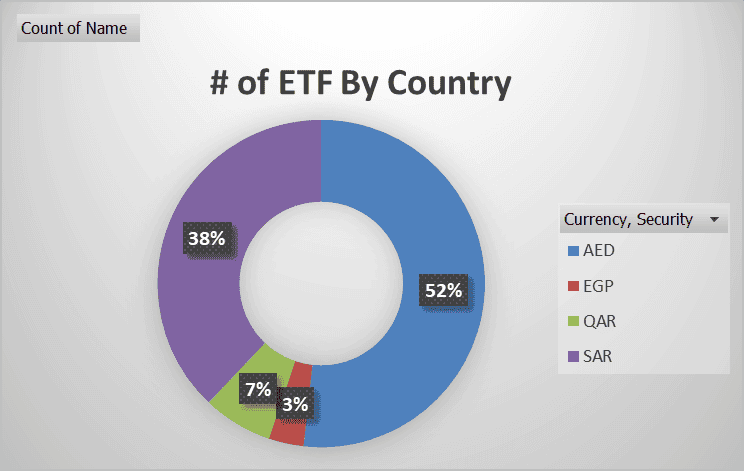
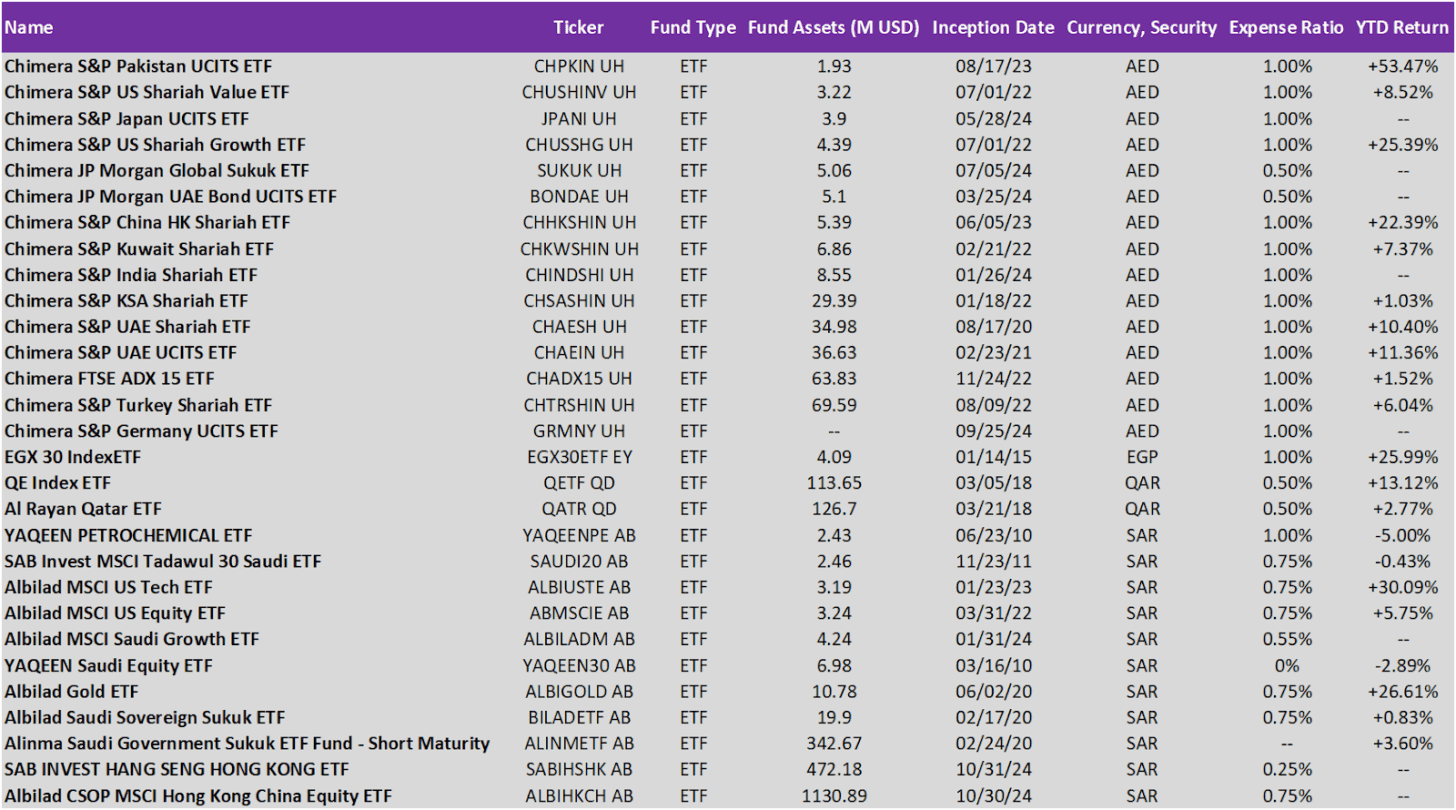
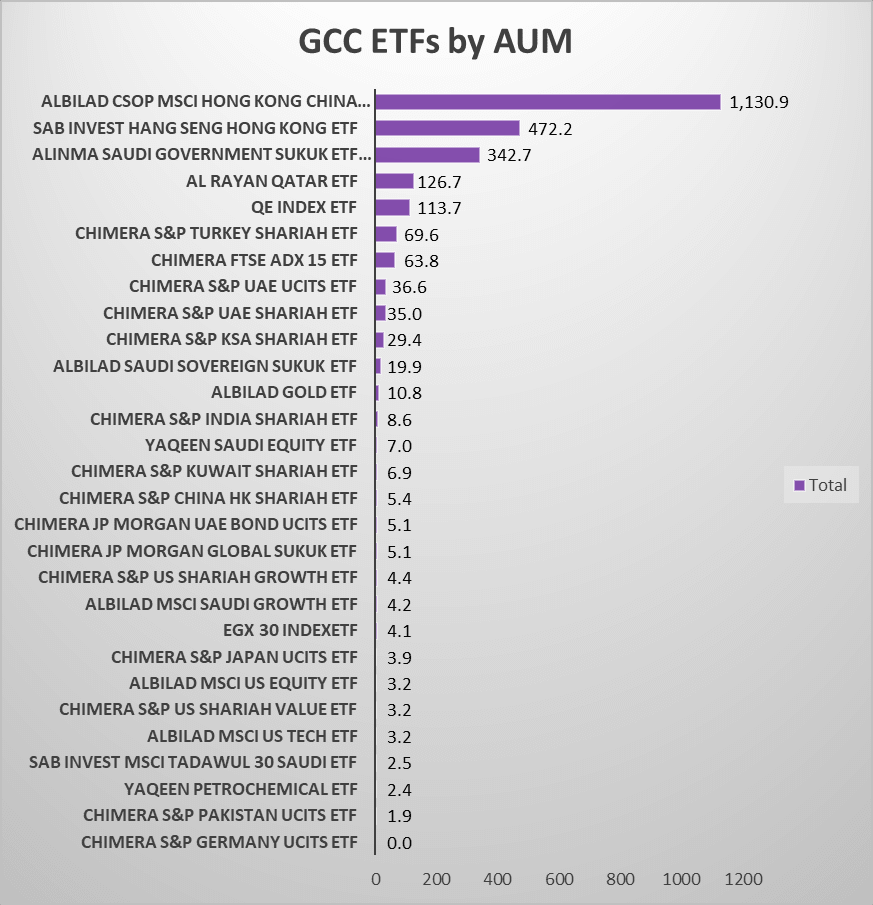
At present, 15 ETFs are listed in UAE, 11 in Saudi Arabia, 2 in Qatar and 1 in Egypt.
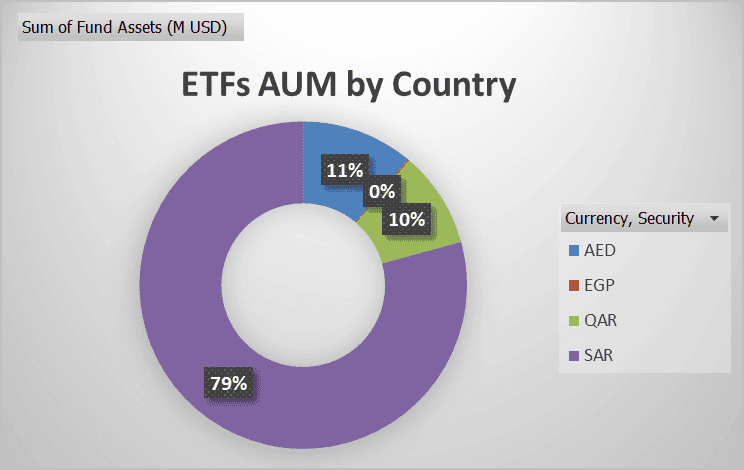
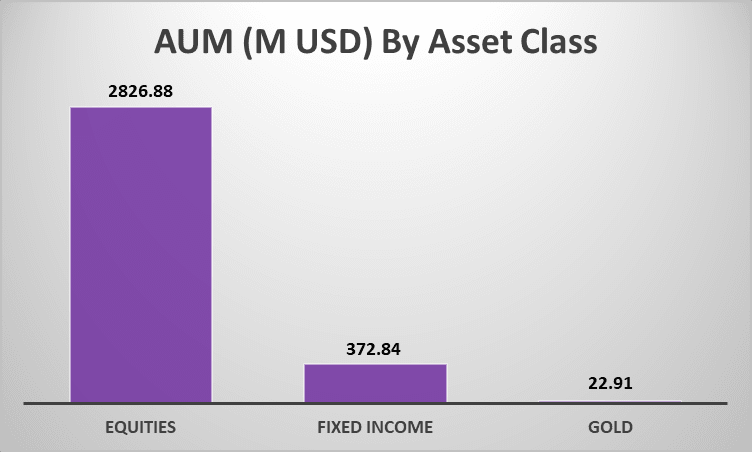
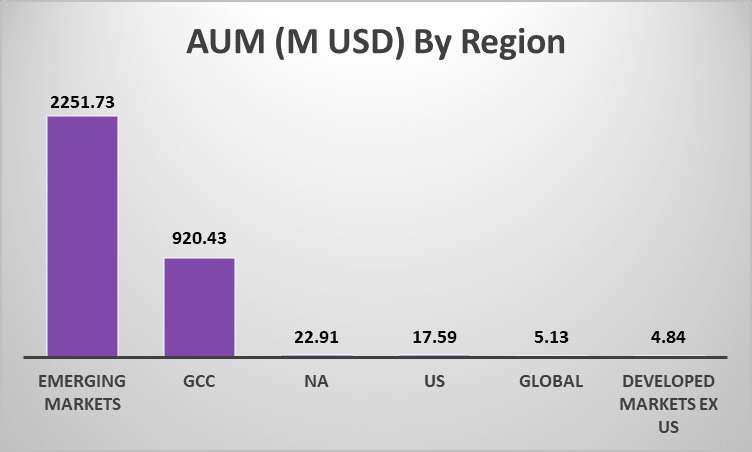
As of August 2025, by country, GCC ETFs AUM totalled around $2.5 billion, with Saudi Arabia AUM accounting for $2.0 billion trailed by UAE which stands at $279 million.
Diversification & Thematic Opportunities
GCC ETFs give investors the chance to access both diversified and theme-based investment strategies. Several funds are Shariah-compliant, like the Chimera S&P KSA Shariah ETF, while others focus on sector-specific indices spanning banking, real estate, technology, and ESG themes.
On September 2, Lunate introduced the Boreas Solactive Quantum Computing UCITS ETF on the Abu Dhabi Securities Exchange (ADX), marking the exchange’s first thematic ETF. The fund tracks the Solactive Developed Quantum Computing Index. The ETF is expected to launch at the end of September.
Certain ETFs also offer regional exposure across multiple GCC markets, including Saudi Arabia, the UAE, and beyond. These products help investors diversify their holdings while tapping into the growth potential of the region’s emerging economies.
In 2024, Saudi Arabia introduced the region’s first ETF designed to track equities listed in Hong Kong, while Abu Dhabi offers an ETF that focuses on Shariah-compliant companies traded on the Bombay Stock Exchange.
In 2025, SAB Invest introduced the first Saudi quant ETF, while Yaqeen the first MENA ESG ETF.
Acceleration In ETF Adoption
This trend is driven by the region’s expanding asset management industry, which is diversifying its product offerings to better meet the evolving needs of a more varied base of local investors.
As per HSBC report, the number of ETFs rose to 12 in May 2025 from 7 in 2022 in Saudi Arabia, with AUM surging to around $2.03 billion from $410 million in 2022.
Meanwhile in UAE, the number of ETFs jumped to 18 in May 2025 from 10 in 2022 and AUM escalated to $847 million from $180 million in 2022.
Growth Outlook
Both Saudi Arabia and the UAE are actively pursuing strategic initiatives to expand their asset management industries.
The GCC ETF market is expected to maintain its robust growth, with a projected compound annual growth rate (CAGR) of 10%-12% from 2025 to 2030.*
The Saudi Arabian government targets to increase the industry’s assets under management (AUM) to 40% of the GDP by 2030, a significant jump from 26% in 2024.*
UAE is forecasted to grow the fastest at a 6.52% CAGR through 2030. Moreover, by asset class, fixed-income ETFs are projected to grow at a 6.73% CAGR through 2024-2030.*
In a Nutshell
The GCC ETF market is still in its early-stage adoption phase compared to more mature markets such as Europe and the United States, where ETFs have become mainstream investment vehicles.
However, momentum is building, and signs suggest that MENA countries are poised to play a more significant role in this segment of the global ETF market, which manages assets worth approximately $15.5 trillion as of February 2025 (as per ETFGI report).*
Supported by strong sovereign wealth fund ecosystems, regulatory reforms, digital innovation, and changing investor preferences, the GCC presents a compelling case for investors seeking first-mover advantage in a market poised for exponential expansion.
The increasing interest from international asset managers and institutional investors in the region is underscored by the ETFGI Global ETFs Insights Summit being held in Abu Dhabi on October 7, 2025.
While challenges such as limited product variety, investor education, and regulatory alignment persist, the outlook remains positive, with expectations of sustained double-digit growth in the coming years.
* Sourced from HSBC, Mobility Foresights, Fitch Ratings, Mordor Intelligence