
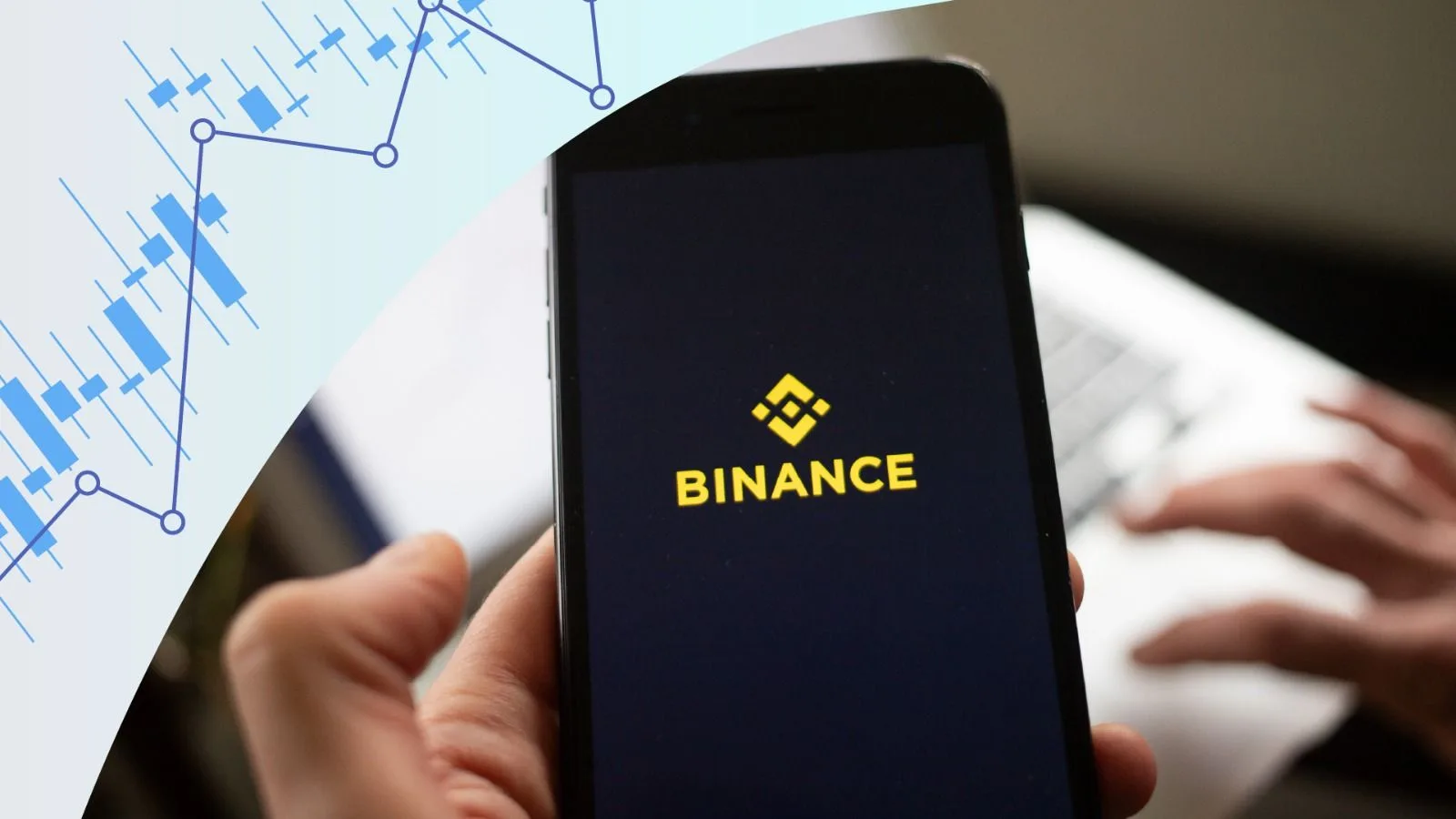
Binance is expanding beyond digital assets with bStocks, a tokenized-securities offering that gives eligible users access to U.S. equities and selected exchange-traded funds through its platform.
The products are issued by BTech Holdings Limited, a Binance group affiliate, and are backed 1:1 by underlying securities held with a regulated custodian. They do not give investors direct ownership of the corresponding shares. Binance says bStocks are classified as certificates representing financial instruments and are offered under a prospectus approved by the Abu Dhabi Global Market's Financial Services Regulatory Authority.
Initial names included tokenized exposure to Circle Internet Group, Micron Technology, Nvidia, Sandisk and Tesla. Binance has since expanded the range, adding companies such as Apple, Amazon and Goldman Sachs alongside tokenized ETF exposure.
ETFs Move On-Chain
Binance has added tokenized versions of the VanEck Semiconductor ETF and Direxion Daily Semiconductor Bear 3X Shares, allowing eligible users to trade semiconductor exposure through the same platform used for crypto assets.
That creates a different distribution channel for ETFs in the region. Rather than opening an overseas brokerage account and trading only during U.S. market hours, users can access fractional exposure through a blockchain-based product, with trading starting from small amounts and support for transfers to compatible wallets.
Binance also allows eligible bStocks to be used across some of its margin and portfolio-margin services, extending their role beyond simple price exposure.
Access Comes With a Different Risk Profile
The structure should not be confused with owning the underlying ETF or stock directly. bStocks track the relevant security but can trade away from its real-time market price, particularly outside normal U.S. trading hours. Investors are also exposed to the token issuer, custody arrangement
bStocks add another route through a 24-hour tokenized access to traditional securities inside a digital-asset platform. For the regional ETF market, the more important question is whether tokenization becomes a meaningful distribution layer for funds, rather than a parallel product used mainly by crypto-native investors.