

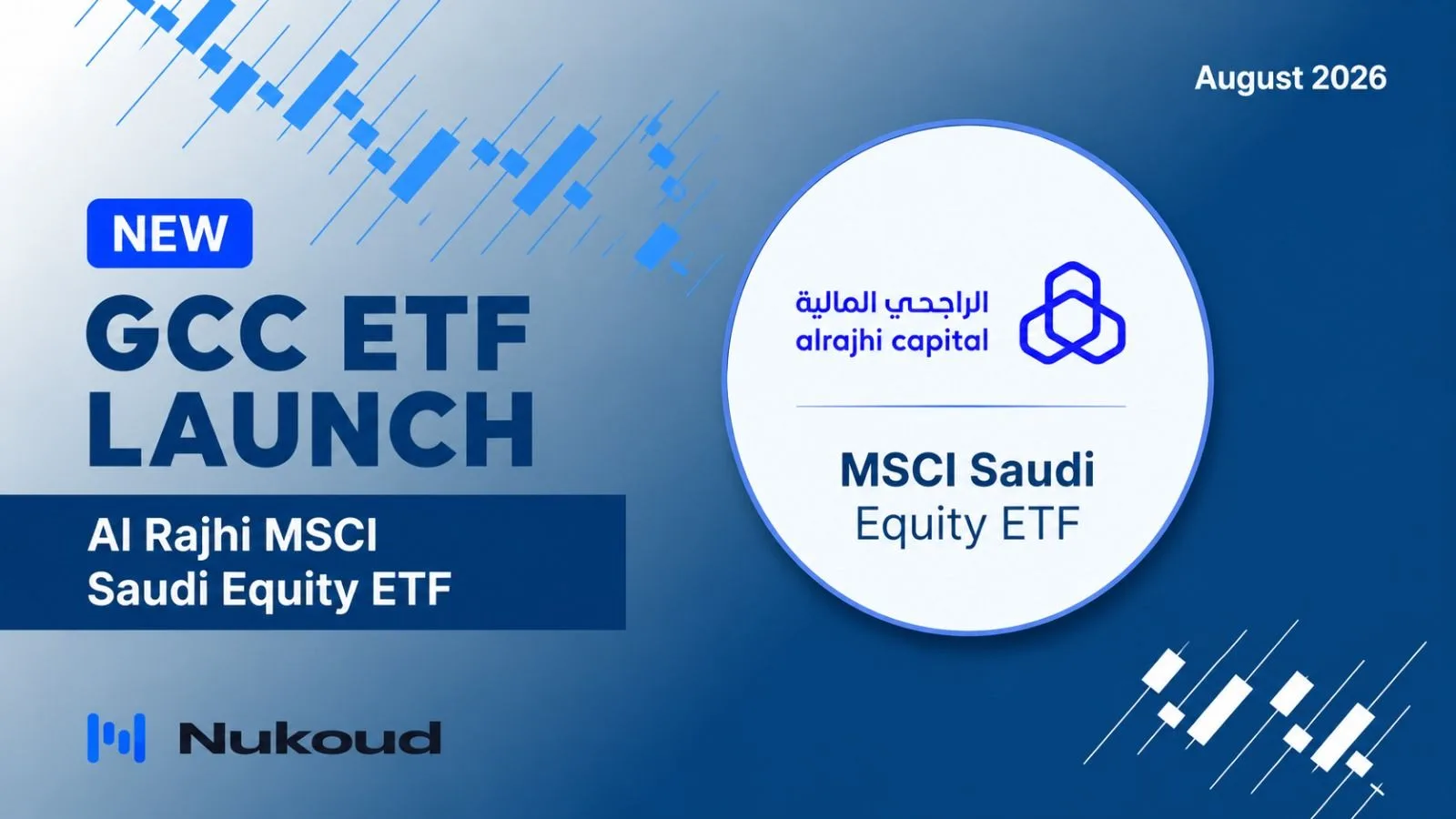
The Al Rajhi MSCI Saudi Equity ETF began trading on the Saudi Exchange on August 10 under ticker 9413 and ISIN SA16JG54J2L5, adding another locally listed route into the Saudi equity market. Saudi Exchange approved the listing on August 6 after the Capital Market Authority cleared the fund offering in June. Daily price movements are subject to the exchange’s standard plus or minus 10% limits.
The fund’s first session showed a price of around SAR10.02, compared with an indicative net asset value of SAR10.04, leaving the ETF at a small 0.149% discount. Bloomberg records the fund’s inception date as August 3, while August 10 marks the beginning of secondary-market trading.
The ETF tracks the MSCI Saudi Arabia Domestic Total Market Islamic M-Series Index, giving investors exposure to Shariah-compliant Saudi companies across large, mid and smaller market-cap segments. The strategy uses full replication rather than derivatives, according to Bloomberg, and the fund is neither leveraged nor currency hedged.
Its 0.25% expense ratio places it well below the 0.75% charged by the U.S.-domiciled iShares MSCI Saudi Arabia ETF, KSA, although the two products follow different benchmarks and therefore should not be treated as interchangeable. KSA tracks the MSCI Saudi Arabia IMI 25/50 Index and held 117 securities as of July 29.
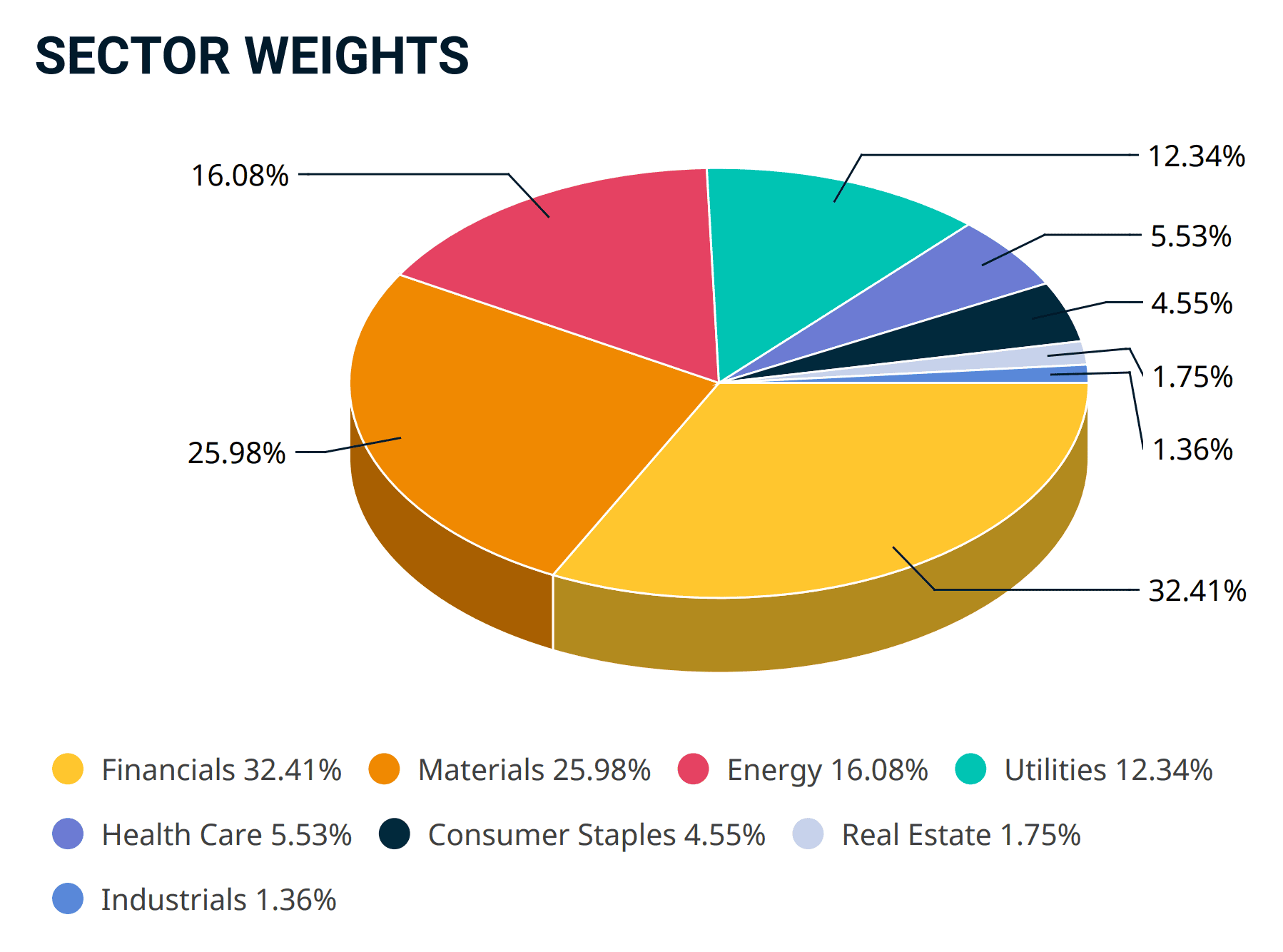
Al Rajhi’s benchmark is already familiar to Tadawul investors. The Albilad MSCI Saudi Equity ETF, 9412, follows the same MSCI Saudi Arabia Domestic Total Market Islamic M-Series Index. Albilad describes that benchmark as providing exposure to more than 250 companies across the Main Market and Nomu. Its published basket includes Saudi Aramco, Al Rajhi Bank, Alinma Bank and Saudi Telecom among the larger positions.
Liquidity Becomes the First Test
Top 10 Index Constituents
Al Rajhi Capital is also serving as market maker for 9413. Saudi Exchange requires quotes to be present for at least 80% of the trading session, with a minimum quoted size of SAR50,000 and a maximum spread of 2%.
The first Bloomberg snapshot showed a bid-ask spread of only SAR0.01, considerably tighter than the maximum permitted spread. That is encouraging for a new fund, although several weeks of trading will be needed before investors can judge normal liquidity, turnover and tracking quality.
Saudi ETF Competition Moves Closer to Home
The more interesting development is the growing choice among Saudi-listed equity ETFs. Investors can now compare Al Rajhi 9413 directly with Albilad 9412 while keeping execution in riyals and within Saudi trading hours.
Because both funds follow the same MSCI Islamic benchmark, differentiation will come less from stock selection and more from fees, trading spreads, tracking difference and asset gathering. For a domestic ETF market that was still relatively small only a few years ago, that kind of head-to-head competition is a useful next stage.