



The Bank of Korea is preparing to buy physical gold for the first time since 2013, joining a broader shift among central banks toward higher bullion allocations. Under the new framework, the BOK can purchase domestically produced gold that would otherwise be exported, using the Korea Exchange for transactions and the Korea Securities Depository for settlement and custody. South Korea holds 104.4 tonnes of gold, while the new domestic channel is expected to make roughly 4 to 5 tonnes available annually.
The move fits closely with the World Gold Council’s 2026 Central Bank Gold Reserves Survey. Among the 76 central banks surveyed, 89% expected global official gold reserves to increase over the following 12 months. A record 45% expected their own institution’s gold holdings to rise, compared with 43% in the previous survey. Korea’s return after a 13-year pause therefore looks less like an isolated allocation decision and more like part of a wider central-bank preference for gold.
Gold Technicals Look Weak, For Now
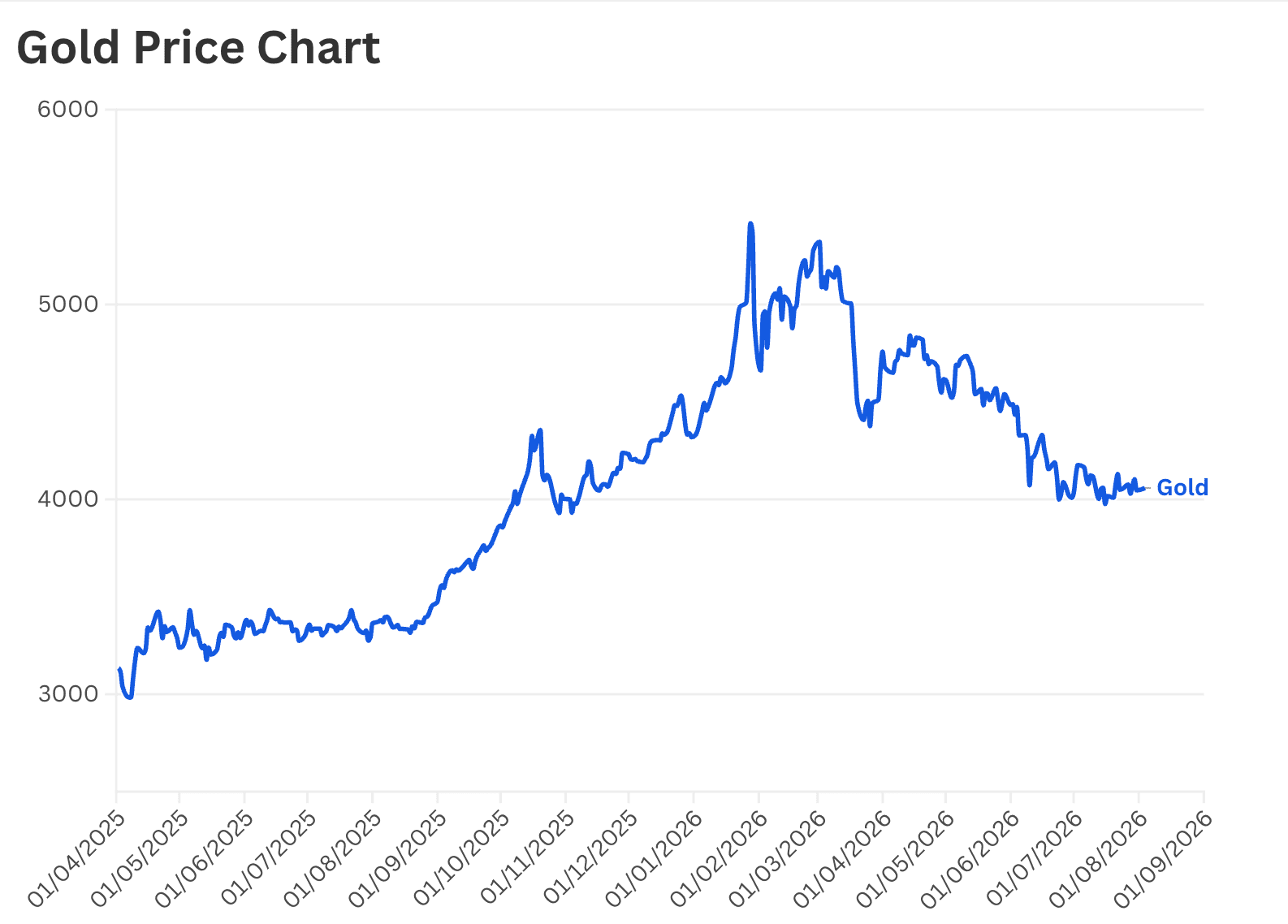
Gold’s technical picture has been considerably weaker. Spot bullion traded near $4,053 an ounce in early August after retreating sharply from its January record. Gold broke below its 200-day moving average on June 8 for the first time since October 2023 and remained below the long-term trend gauge into early August, a stretch of more than 40 trading sessions. The persistence of that break contrasts with the demand coming from reserve managers. Central banks are increasing strategic exposure even as market momentum remains under pressure.
Exchange-traded demand has also held up better than the price action might suggest. The World Gold Council reported that global physically backed gold exchange-traded products remained in net inflow during the first half of 2026. Holdings reached 4,047 tonnes and assets under management stood at $526 billion as of June 30.
Korea’s strategy is particularly relevant for ETF investors because the BOK has also developed a route into overseas-listed gold products. Korean reports said the central bank began making small allocations to spot-gold ETFs during the second quarter, while the physical-purchase framework gives it a second channel for building direct bullion reserves. The structures serve different purposes: listed products offer liquidity and lower operational friction, while physical gold is held directly as a reserve asset.
Gold ETFs
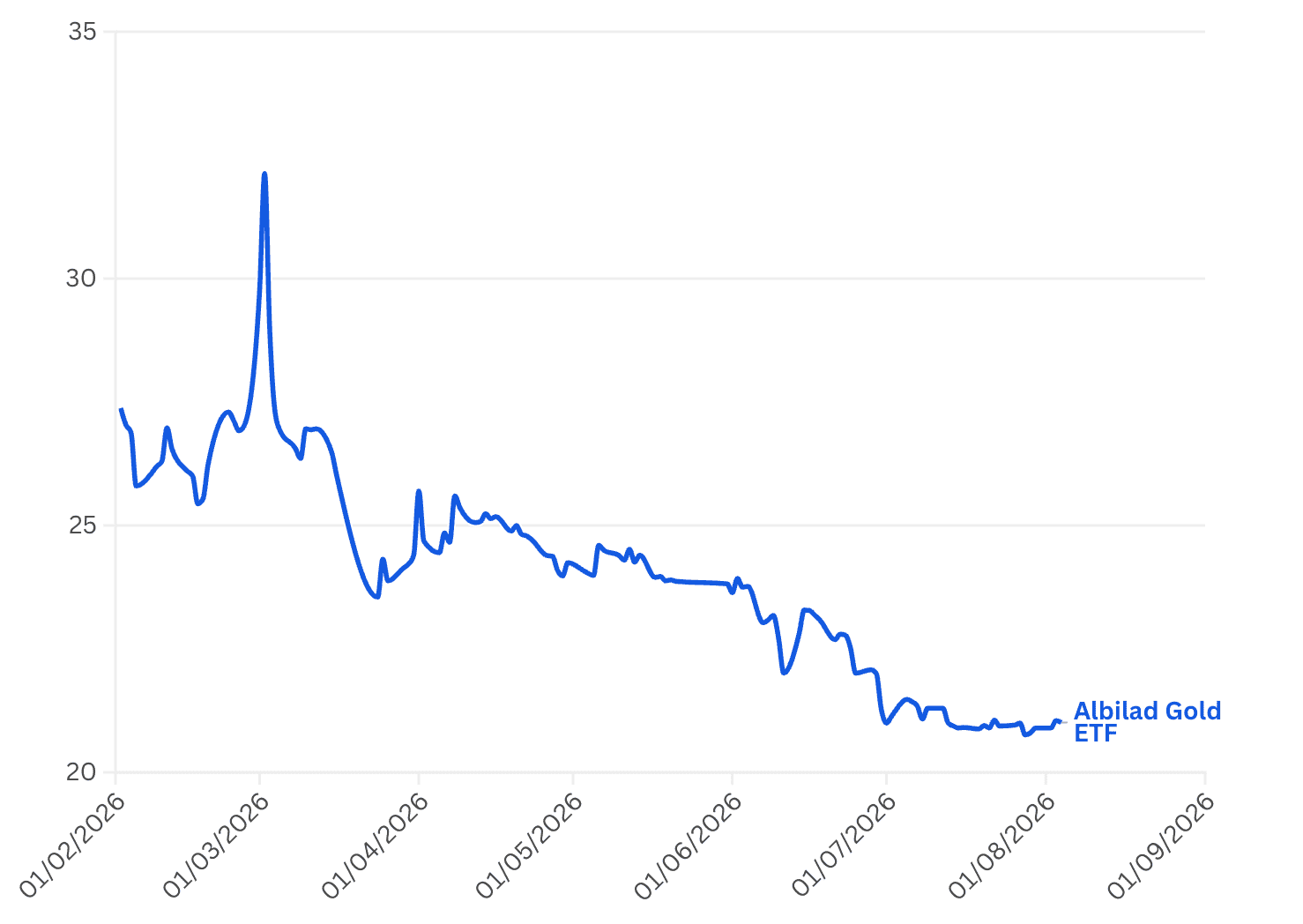
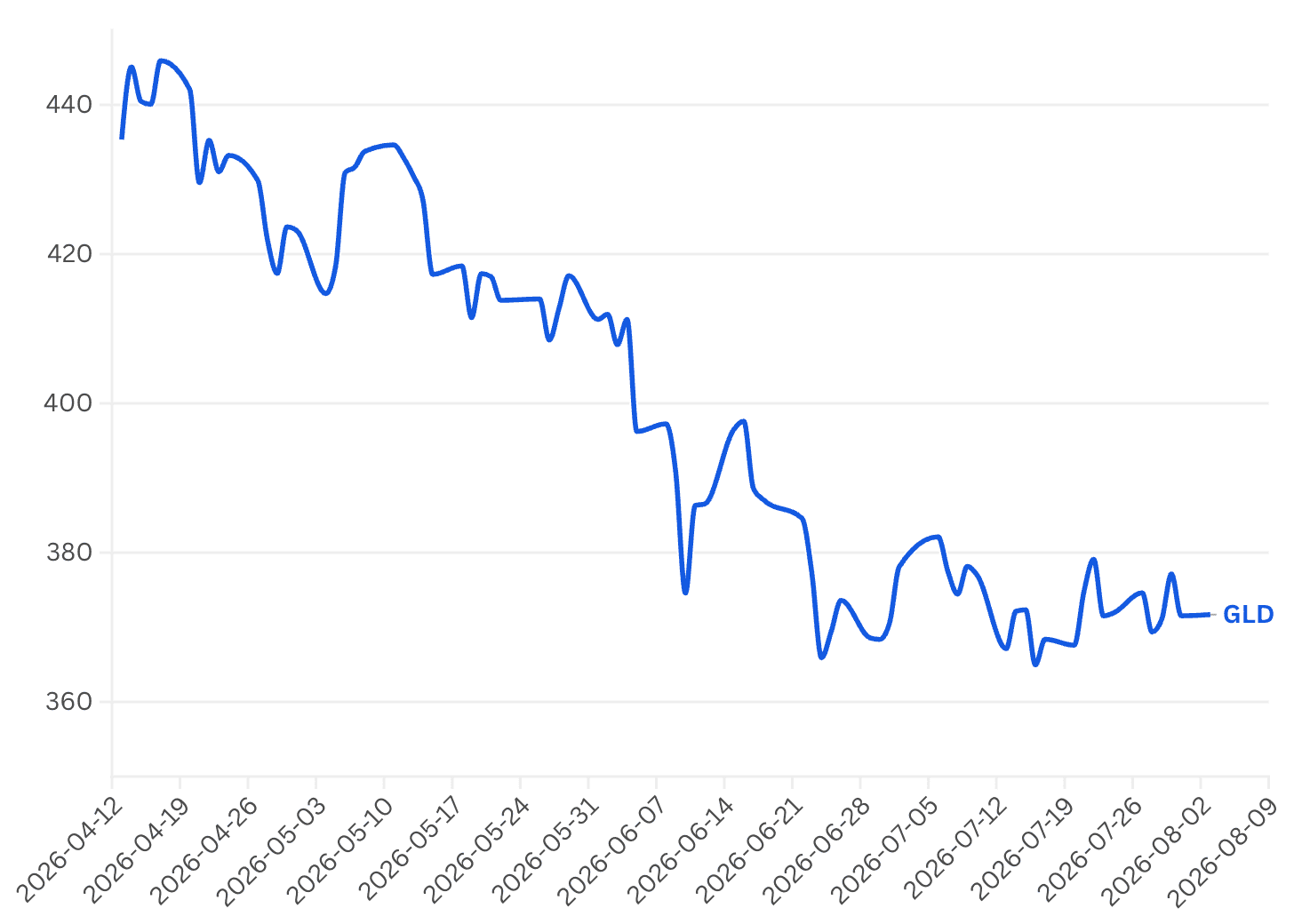
For GCC investors, a similar choice exists between local and international products. The Tadawul-listed Albilad Gold ETF, ticker 9405, provides Saudi-domiciled, Shariah-compliant physical gold exposure. Internationally, SPDR Gold Shares, GLD, held $131.95 billion in assets as of July 24 and charges a 0.40% gross expense ratio.
European and GCC institutions also have access to the Invesco Physical Gold ETC, SGLD. The Irish-domiciled product is backed by bullion held in London, carries a 0.12% annual fee and is described by Invesco as Shariah-compliant and UCITS-eligible, although it is an ETC rather than a UCITS ETF. With more than $33 billion in assets, it provides a lower-cost listed route to the same underlying metal.
Korea’s return to buying captures the unusual position gold occupies in 2026: its technical trend remains weak, yet central-bank demand and physically backed investment products continue to attract long-term capital.