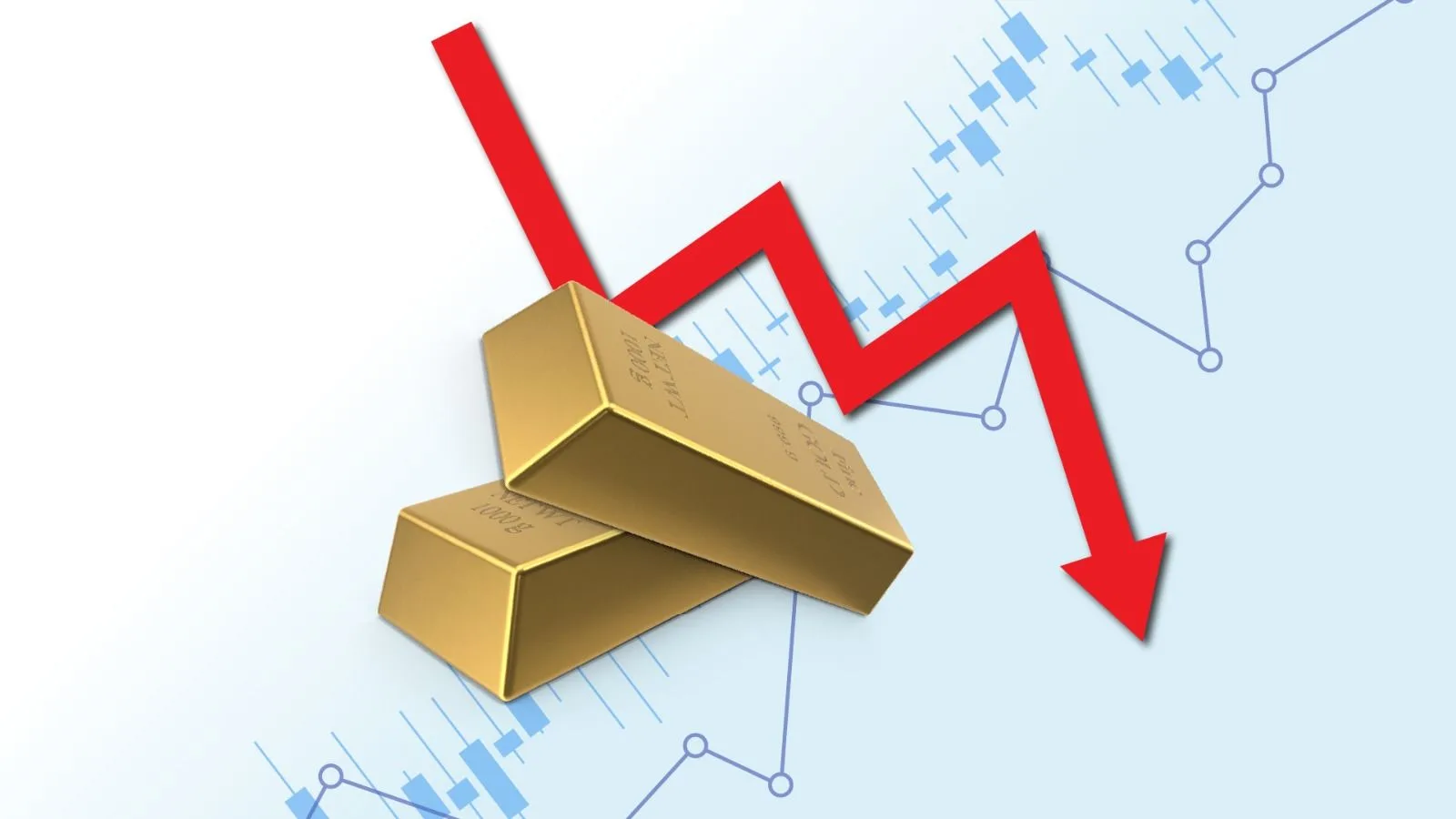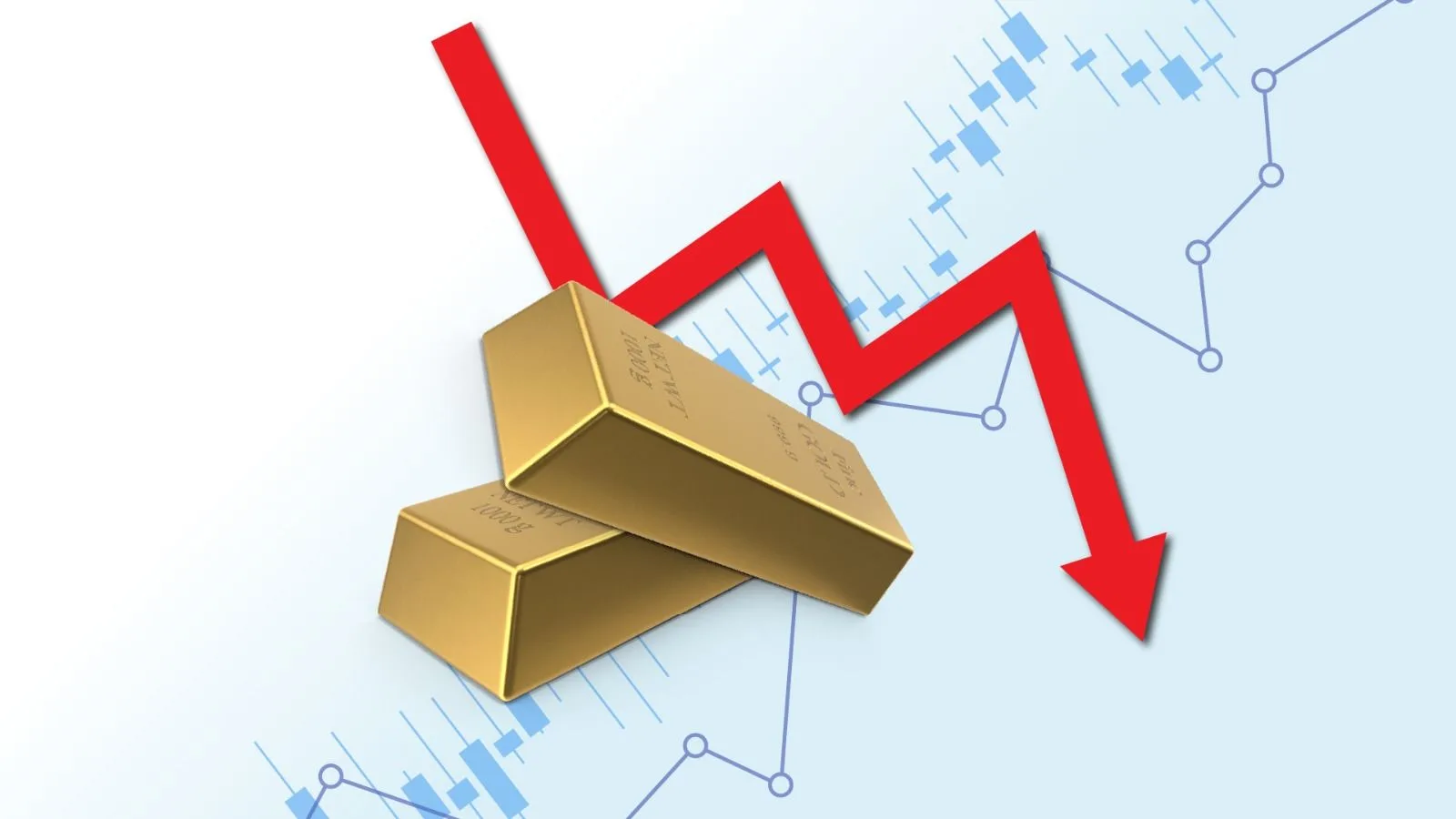
November 12, 2026, Gold extended its losses for a third consecutive session on Thursday, falling to its lowest level in more than a week as unexpectedly strong US inflation data increased expectations of further Federal Reserve interest-rate hikes. Spot gold declined 1.4% to US$3,931.54 per ounce by 09:12 GMT, while December gold futures fell 1.6% to US$3,936.80, according to Reuters.
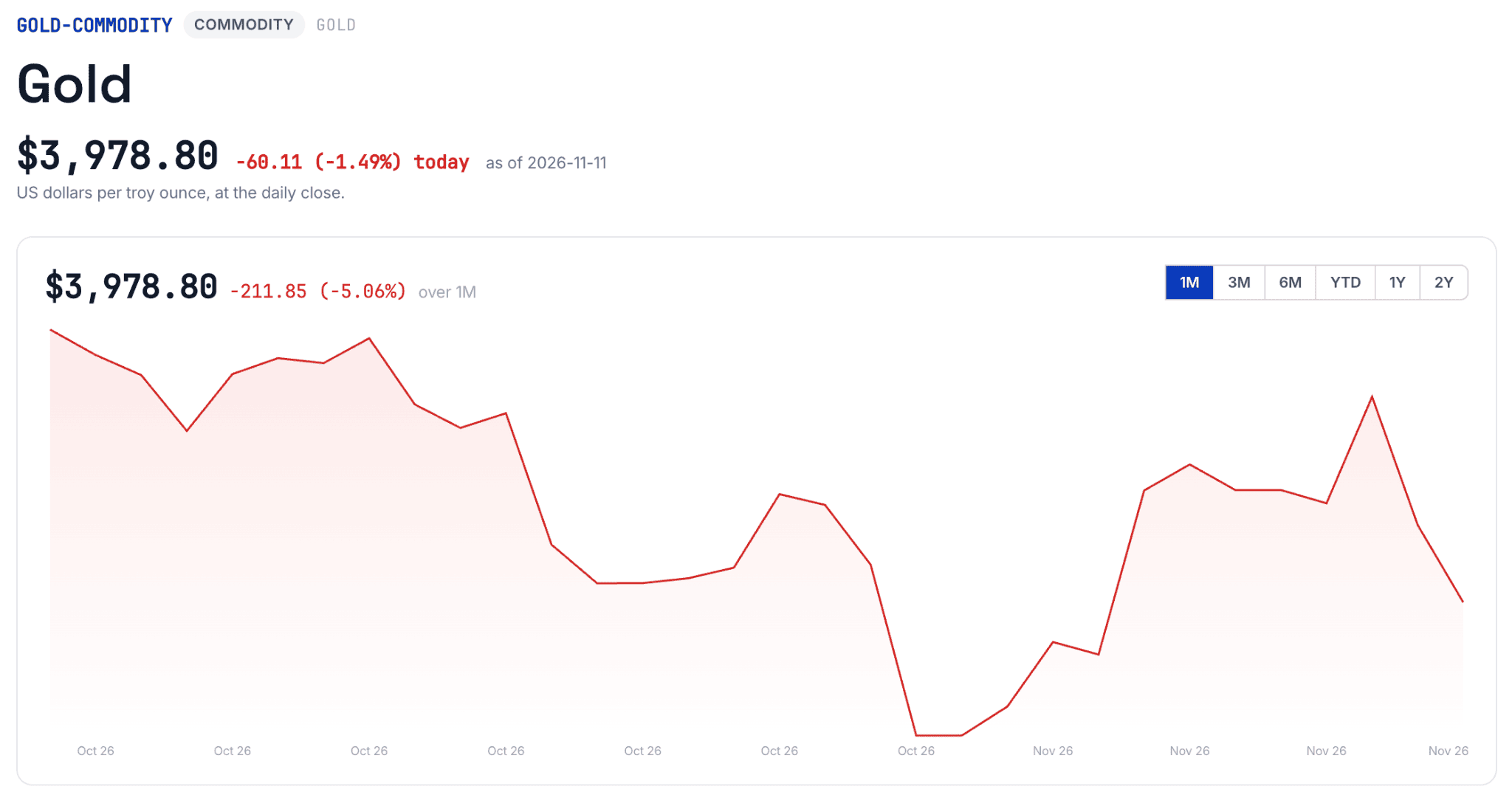
The decline followed a nearly 3% sell-off on November 10, when the latest US consumer inflation figures surprised investors. Gold subsequently fell another 1.1% on November 11, briefly surrendering the psychologically important US$4,000 level.
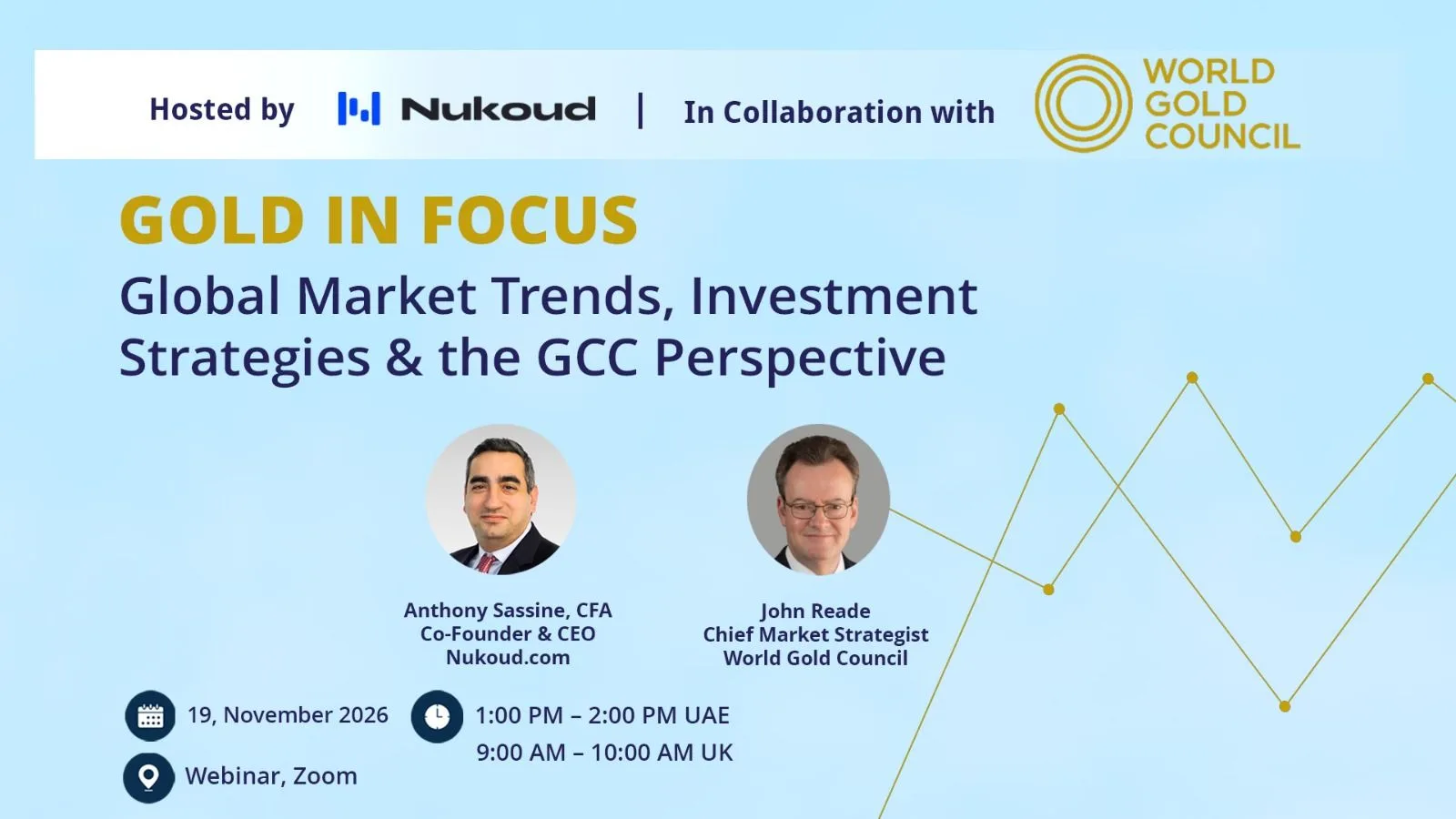
Gold in Focus: Join Nukoud and the World Gold Council on November 19
As gold markets experience renewed volatility, Nukoud is hosting a free webinar in collaboration with the World Gold Council (WGC) on November 19, 2026, exploring the forces shaping gold prices, global investment demand and the outlook for GCC investors.

The session, Gold in Focus: Global Market Trends, Investment Strategies & the GCC Perspective, will feature John Reade, Chief Market Strategist at the World Gold Council, alongside Anthony Sassine, CFA, Co-Founder and CEO of Nukoud, as moderator.
The discussion will examine gold's response to inflation and interest-rate expectations, record ETF inflows, central bank purchases and the role of gold in diversified investment portfolios.
Date: Thursday, November 19, 2026
Time: 1:00 PM UAE | 12:00 PM Saudi Arabia
Register for the free Nukoud × World Gold Council webinar
Why Is Gold Falling After Higher Inflation?
The US Bureau of Labor Statistics reported that the Consumer Price Index increased 0.4% in October, exceeding economists' expectations of 0.3%. Core inflation, excluding food and energy, rose 0.3%, while shelter costs increased 0.3% and food prices climbed 0.5%. The stronger reading reinforced concerns that inflation remains persistent despite previous monetary tightening.
US Inflation and Gold Market Reaction
Sources: US Bureau of Labor Statistics and Reuters. Gold and Fed probabilities are intraday observations on November 12.
Although gold is traditionally viewed as an inflation hedge, rising interest-rate expectations can undermine demand because bullion generates no interest income. The US dollar also climbed to a 19-month high, making dollar-denominated gold more expensive for investors holding other currencies.
Federal Reserve Expectations Shift Sharply
Following the inflation release, futures markets priced in an 89% probability of a 25-basis-point rate increase at the Federal Reserve's December meeting. The probability of a larger 50-basis-point increase reached approximately 11%, compared with virtually zero before the CPI report.
Higher interest rates increase the opportunity cost of holding gold, while rising real Treasury yields can make interest-bearing securities comparatively more attractive. Investors will now monitor US producer inflation data scheduled for November 13 for further evidence of persistent price pressures.
What Does the Sell-Off Mean for GCC Gold ETF Investors?
The World Gold Council recently reported record US$31 billion of gold ETF inflows during Q3 2026, alongside 321 tonnes of central bank purchases. Those flows indicate substantial institutional interest, but they do not prevent short-term losses when monetary-policy expectations change. For GCC investors, products such as the Albilad Gold ETF (9405), listed on the Saudi Exchange, provide Shariah-compliant gold exposure. Internationally listed alternatives include SPDR Gold Shares (GLD) and iShares Gold Trust (IAU). Investors can also compare gold ETFs and their investment structures.
The central question is whether persistent inflation will keep US interest rates elevated long enough to outweigh the structural demand supporting gold from central banks and ETF investors. For now, gold's decline illustrates that even a traditional inflation hedge can come under significant pressure when the market expects monetary policy to become more restrictive.