
Abu Dhabi Securities Exchange expects to list three to four additional ETFs before the end of 2026, extending a product expansion that has already made ADX one of the region’s more active ETF venues.
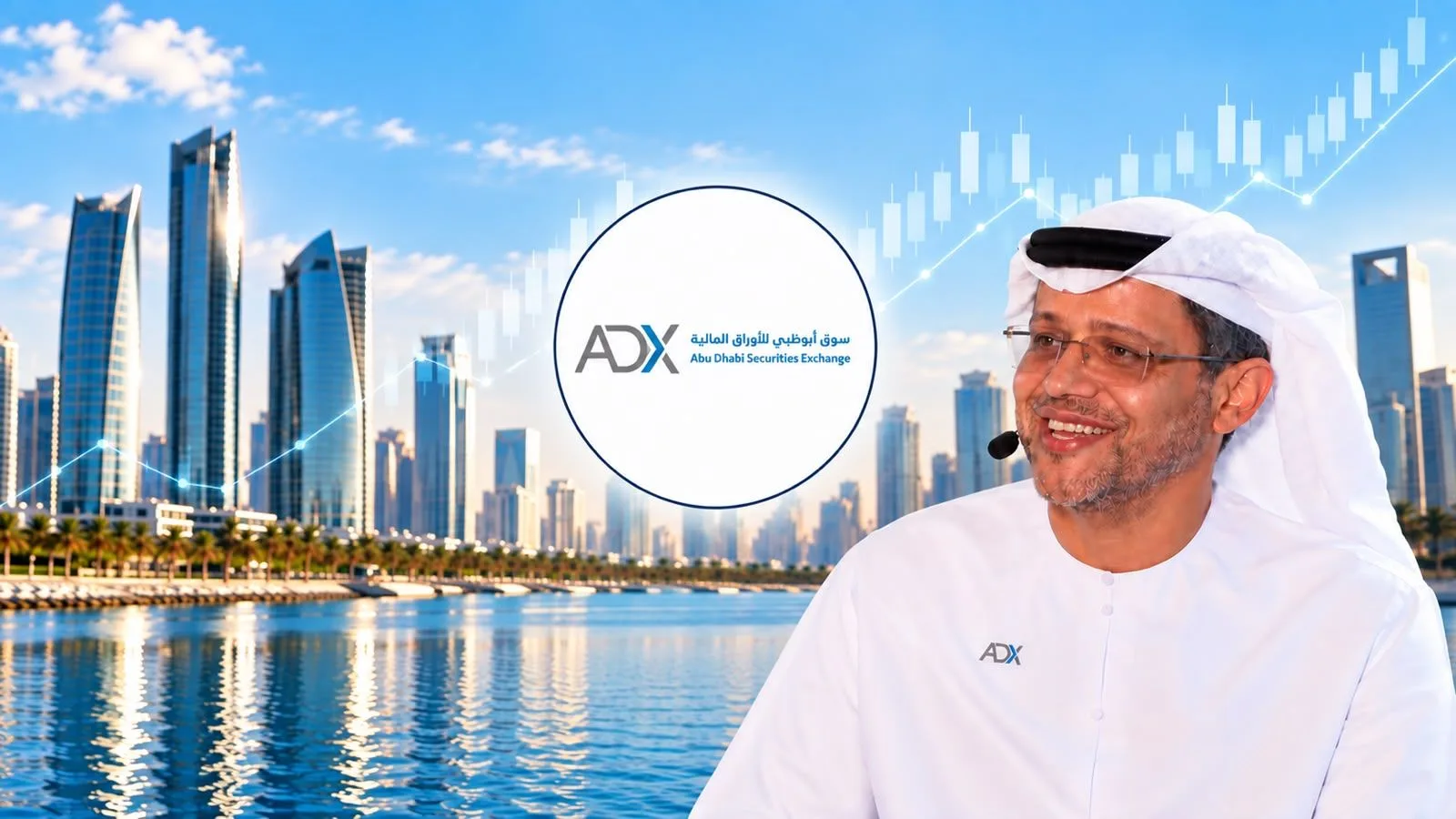
Abdulla Salem Alnuaimi, Group CEO of ADX, told CNBC Arabia on September 30 that the exchange currently has around 25 ETFs and wants to attract more before year-end. He also said foreign investment in ADX has risen by about 12% year on year, pointing to continued international participation despite a more difficult regional backdrop.
The comments came during the Arab Federation of Capital Markets annual conference in Abu Dhabi, where ETFs, market making and cross-border access were prominent themes.
ETF Growth is Part of a Multi-Year Strategy
The expected listings would add to a product range that has expanded well beyond domestic equity exposure. ADX has spent the past years upgrading its systems and processes and adding thematic, international and Shariah-compliant ETFs, while also bringing more overseas issuers and institutional investors onto the exchange.
ADX currently lists 24 ETFs, the largest lineup in the GCC. As of September 30, the funds available on the exchange represented about $6.2 billion in combined global AUM, supported by cross-listed international ETFs. That ETF push is being paired with a larger effort to make Abu Dhabi easier to access from outside the UAE.
Abu Dhabi is Leading Regional Market Connectivity Through Tabadul
Alnuaimi said ADX expects the Egyptian Exchange to connect to the Tabadul platform during the first half of 2027. ADX and the Egyptian Exchange signed a memorandum of understanding this week covering market development, cross-border trading and potential integration into Tabadul.
Tabadul already connects 10 exchanges representing more than $1 trillion in combined market capitalization, with trading value reaching AED13.5 billion in the first half of 2026, more than the platform recorded during all of 2025.
Alnuaimi also said ADX has signed an agreement with Botswana and is working through the legal steps needed for connection. The longer-term target is around 21 connected markets, including an African group covering 14 exchanges.
Why the Next ETF Listings Matter
Abu Dhabi is increasingly taking the lead in the GCC ETF market. ADX has built the region’s largest ETF lineup while broadening access beyond domestic equities into global, thematic and Shariah-compliant strategies.
That expansion has been helped by growing interest from international asset managers in using Abu Dhabi as a cross-listing venue. ADX became the first Arab exchange to cross-list U.S.-domiciled ETFs in 2025, initially bringing two New York-listed KraneShares funds representing about $10 billion in global AUM onto the market. By April 2026, four U.S.-listed ETFs had been cross-listed on ADX, including KWIN, the first U.S.-based Shariah-compliant ETF to complete an initial offering period in the region.
“We are very excited to see more ETFs list in the region. Abdulla Al Nuaimi and the ADX team have been strong advocates for ETFs and great partners in building the ETF industry across the GCC. ADX has been investing in the infrastructure required for cross-listings and strengthening the broader ETF ecosystem for some time. We are now seeing these efforts come to fruition through new cross-listings and growing interest from global asset managers in the Abu Dhabi market,” said Anthony Sassine, CEO of Oceane Invest and Nukoud.Com
Global ETF assets have expanded rapidly and large issuers are looking for new distribution channels. ADX gives international managers access to a growing GCC investor base without requiring them to build an entirely separate fund structure for the region.
Another three or four listings before year-end would extend that momentum. Combined with Tabadul, remote trading access, clearing links and upgraded post-trade infrastructure, ADX is positioning ETFs as part of a broader cross-border market strategy rather than a standalone product segment.
If the planned listings arrive before year-end, Abu Dhabi will enter 2027 with a wider ETF shelf and an increasingly international issuer base, reinforcing its position as the GCC’s main venue for locally listed and cross-listed ETFs.