The Muscat Stock Exchange (MSX) expects to list two to three exchange-traded funds (ETFs) during the first quarter of 2027, marking a significant step toward establishing a domestic ETF market in Oman.
MSX Chief Executive Haitham Al Salmi disclosed the plans in an interview with Asharq Bloomberg, published on October 20, during the UK-GCC Strategic Dialogue in London.
According to Al Salmi, several asset managers are preparing equity ETFs, with funding expected to come partly from sovereign wealth funds and partly from private investors.
The announcement provides a more concrete timetable for a market that has been working to introduce exchange-traded investment products while expanding its appeal to international investors.
Oman Moves Toward Its First Domestic ETF Listings
Unlike Saudi Arabia and the UAE, Oman has yet to develop a substantial locally listed ETF market.
The proposed listings could introduce new ways for investors to access baskets of Omani equities through exchange-traded securities rather than purchasing individual stocks.
They could also create additional investment opportunities for institutions seeking diversified exposure to the Muscat market.
However, the expected launches remain subject to the completion of fund structures, regulatory requirements and listing preparations. The exchange has not disclosed the names, benchmarks, expense ratios or intended sizes of the proposed products.
Oman's Emerging ETF Pipeline
Source: Asharq Bloomberg, October 20, 2026.
Hong Kong Partnership Adds an International Dimension
The domestic ETF pipeline comes alongside efforts to connect Oman's capital market with Asian investors.
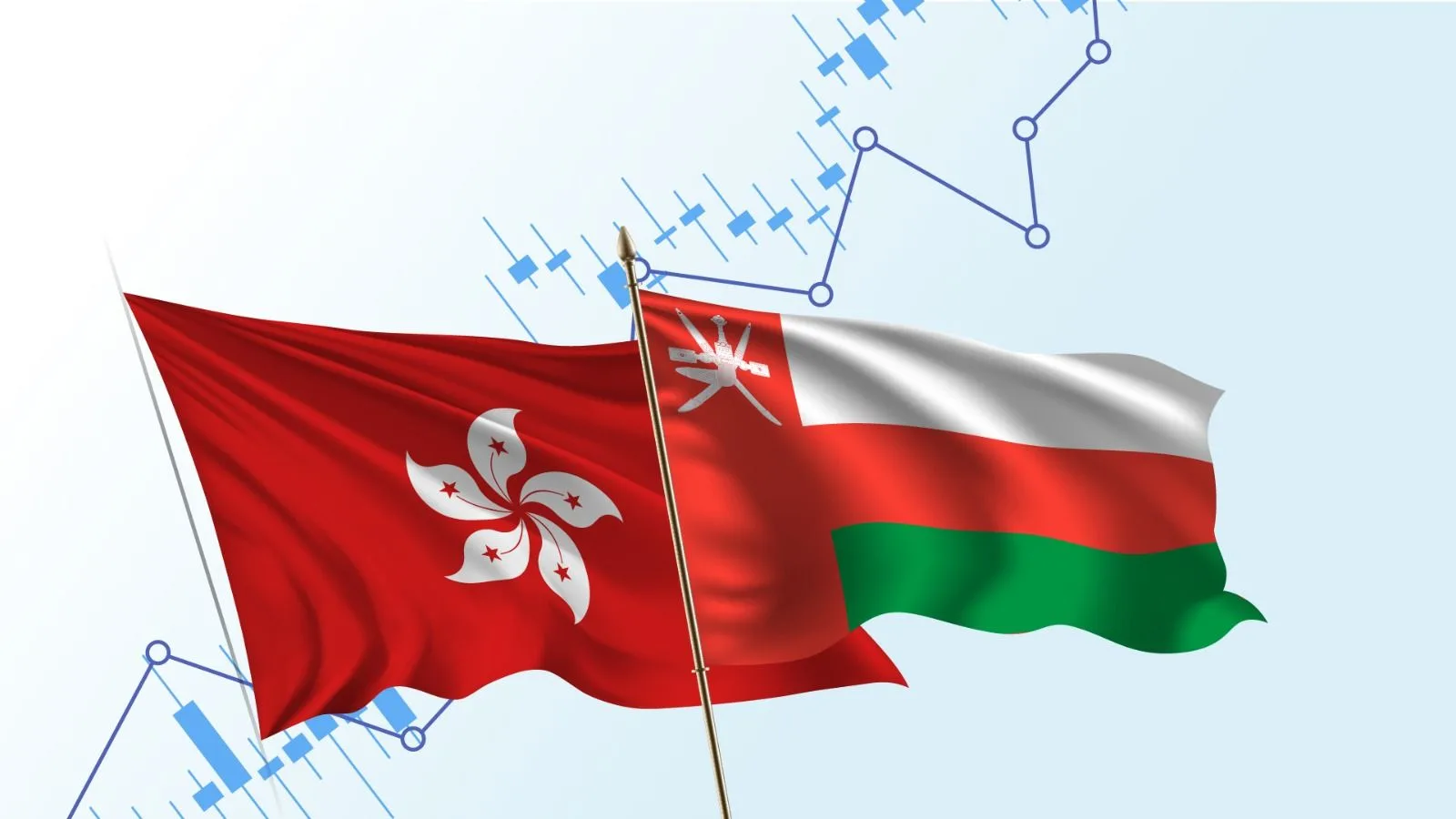
Jabal Asset Management and E Fund Management (Hong Kong) signed a partnership agreement in September to develop cross-border ETFs linking Oman and Asian markets.
The proposed Hong Kong-listed fund would allocate 50% of its portfolio to Omani equities and 50% to other GCC markets, potentially providing international investors with a new route into the region.
The Jabal–E Fund partnership and proposed Hong Kong ETF allocation illustrate Oman's ambitions beyond its domestic exchange.
However, the Hong Kong initiative should not automatically be counted among the two or three products expected to list in Muscat. The available announcements do not establish that they are the same funds.
ETF Expansion Comes as Oman Pursues Emerging-Market Status
The ETF plans coincide with broader improvements in Oman's capital market.
The MSX 30 Index had gained approximately 33.4% in 2026 through early October, while average daily traded value had increased substantially compared with 2025.
In October, Oman was also placed on FTSE Russell's Watch List for possible emerging-market reclassification, after meeting minimum market-size and securities-count requirements.
Although this represents progress, Oman remains classified as a frontier market, and an eventual upgrade is not guaranteed.
The ETF initiative could complement these reforms by expanding available investment products and introducing additional market-making activity.
However, successful launches would not automatically guarantee greater liquidity. Sustained trading would depend on underlying market depth, competitive spreads and investor demand.
What It Means for GCC ETF Investors
Oman's planned entry into the ETF market would add another regional exchange to an increasingly diverse investment landscape.
According to the GCC ETF Market Monitor: H1 2026 Review, the tracked regional ETF universe included 42 products and approximately US$8.85 billion in reported assets at midyear.
The arrival of Omani funds could broaden regional access to local equity exposure, particularly for investors who currently rely on direct share purchases.
The key test will be whether the planned listings develop into actively traded investment products, rather than simply increasing the number of ETFs available across the GCC.