
The International Monetary Fund is treating tokenization as more than another financial-technology upgrade. In research highlighted again on August 9, the IMF argued that putting financial assets and money onto programmable digital ledgers could change how transactions are executed, settled and recorded. The policy question is whether those changes create a more connected financial system or split liquidity across competing platforms.
For investors, the simplest way to think about tokenization is that the investment itself does not necessarily change. A tokenized share can still represent ownership in the same company, bond or investment fund. What changes is the infrastructure underneath it, including how ownership is recorded, how assets move between investors and how payment is exchanged for the security.
Why the IMF Calls It a Change in Market Architecture
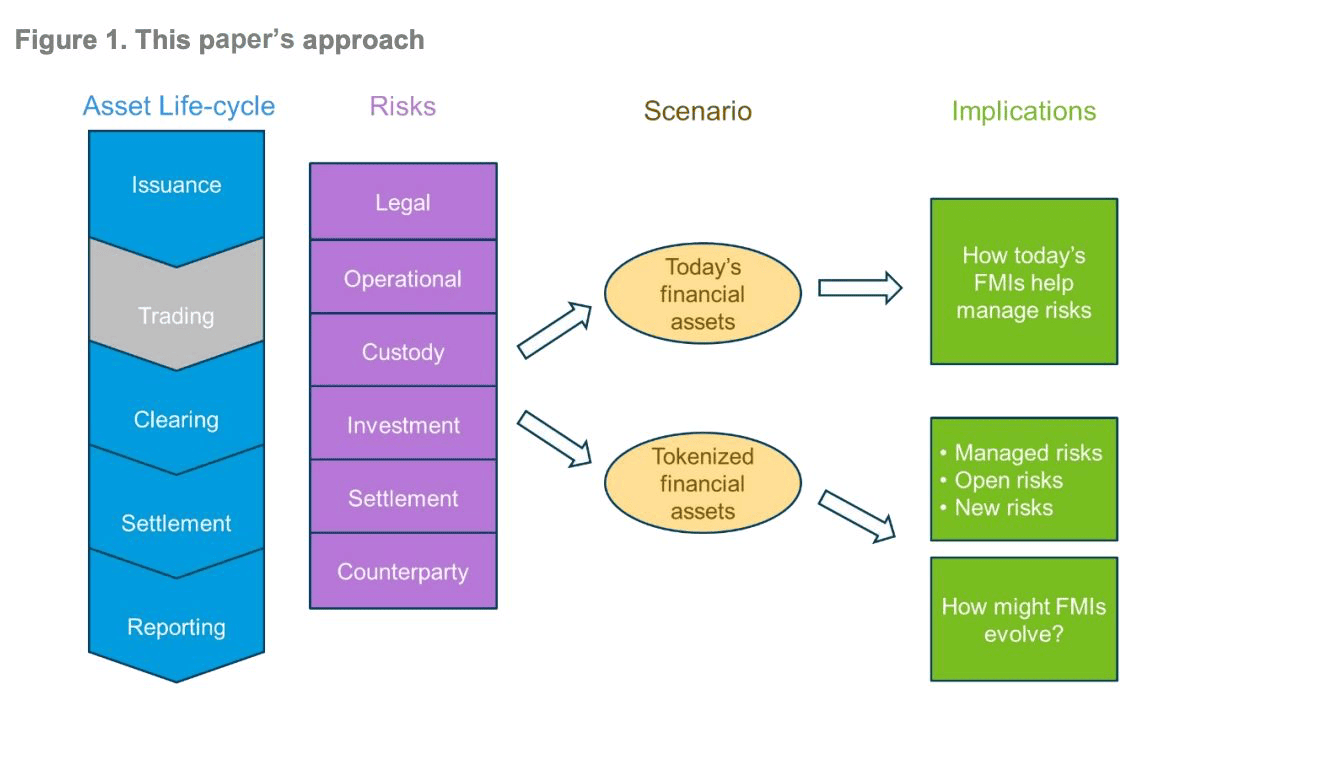
Today, buying a security usually involves several institutions. A broker executes the trade, clearing systems calculate obligations, custodians maintain records and settlement infrastructure completes the exchange of cash and securities.
Tokenized markets can place more of those functions on shared ledgers. Smart contracts, pieces of code that execute agreed rules automatically, can potentially transfer a security at the same time as payment is made. IMF researchers say this could reduce reconciliation between separate databases and allow some functions currently handled by central securities depositories, clearing houses and trade repositories to be automated.
The gain is potentially faster and simpler settlement. The trade-off is that risk shifts toward the infrastructure itself.
A coding problem, governance failure or incompatible ledger can matter more when transactions happen automatically and quickly. The IMF therefore argues that legal certainty, reliable settlement assets and interoperability between systems will be central to whether tokenization strengthens markets or fragments them.
ETFs Could Keep the Same Portfolio but Gain a Digital Share Class
ETFs provide a useful example because tokenization does not require reinventing the fund.
WisdomTree has filed for the WisdomTree 500 Digital ETF, which would track the WisdomTree 500 Index. Its SEC filing envisages investors holding the fund through conventional market infrastructure or as tokenized shares recorded in approved digital wallets. Investors could move between the two representations while retaining an economic interest in the same underlying fund. The ETF had not begun operations in the latest filing.
In practical terms, the portfolio could still contain ordinary listed equities. The innovation would sit at the ownership and distribution layer.
That could eventually make fund units easier to transfer between compatible platforms, support more automated settlement and give asset managers another channel for distributing funds. It does not mean tokenized ETFs become cryptocurrencies, nor does blockchain remove the need for regulated fund managers, custodians and investor protections.
Faster Markets Can Create Faster Problems
The IMF's warning is that efficiency and resilience are not the same thing.
Traditional settlement delays can create counterparty exposure, but they also give market participants time to source cash or collateral. A system settling transactions almost immediately may demand liquidity almost immediately as well. During market stress, that could accelerate funding pressures.
Fragmentation is another concern. If one bank, exchange or jurisdiction operates on a ledger that cannot communicate with another, tokenization could create separate pools of assets and liquidity instead of one deeper market. IMF researchers therefore put considerable emphasis on common standards and systems that can interact with each other.
The UAE Is Already Testing the Model
For the UAE, the discussion is becoming increasingly practical. Abu Dhabi and Dubai have been developing regulated frameworks for tokenized securities, funds and digital settlement, positioning the country as an early testing ground for the infrastructure the IMF is describing.
For ETF investors, the eventual change may be almost invisible on the portfolio page. An equity ETF could still own the same stocks and follow the same index. The difference may sit behind the ticker, with issuance, ownership records, transfers and settlement increasingly handled through programmable infrastructure.
That is the IMF's broader point: tokenization matters less because it creates a new asset class than because it could change the machinery through which existing assets move.