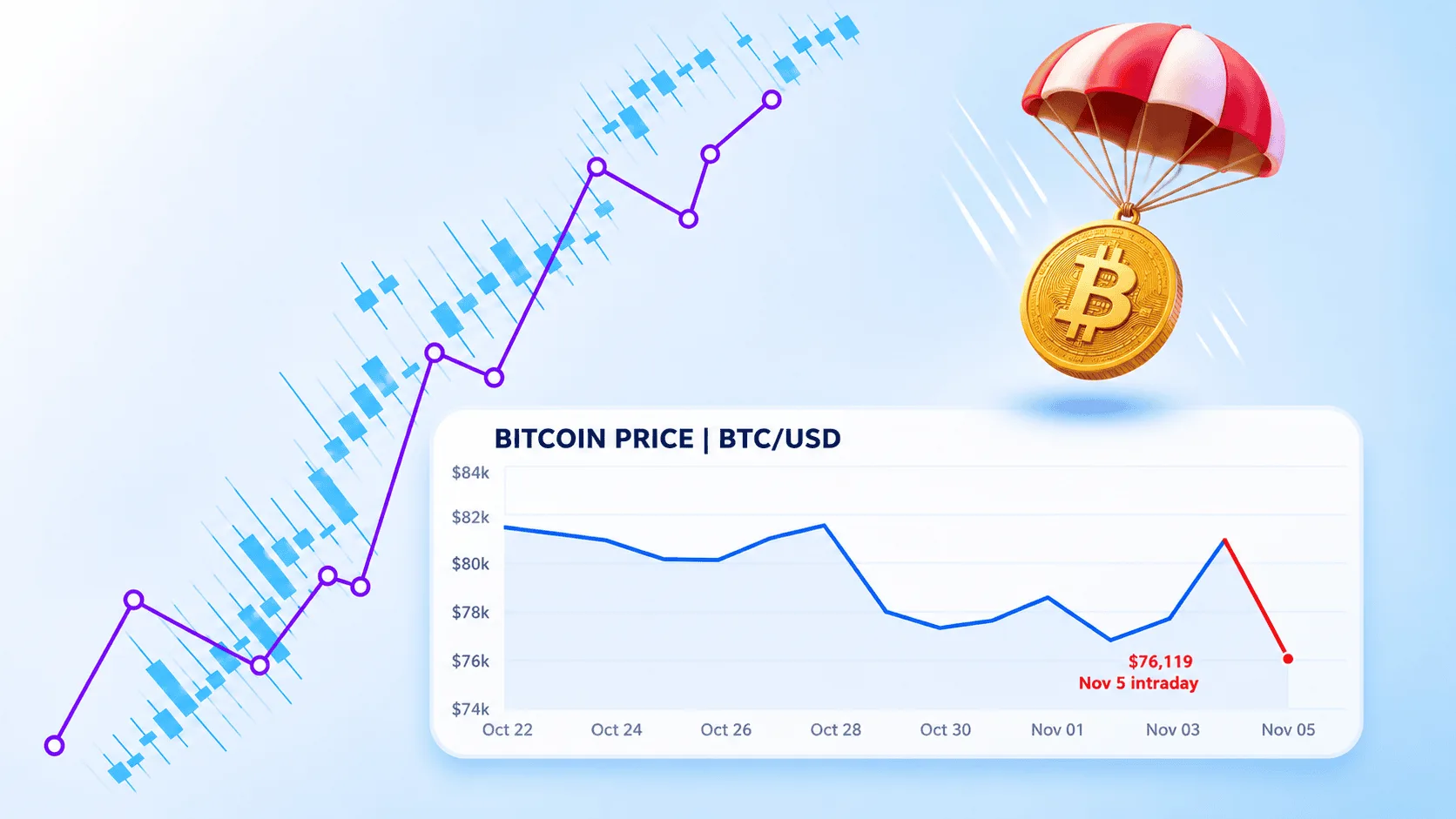
Binance has secured a court order from Abu Dhabi Global Market (ADGM) Courts to freeze stolen cryptocurrency assets following a record $6.3 billion cyberattack, renewing questions about how investors should hold digital assets. The October 29 breach, described as the largest cryptocurrency theft on record, saw attackers drain digital assets from wallets operated by Binance. The exchange has since said it absorbed the financial impact and protected customer balances.
According to Reuters, approximately $2.85 billion in stolen assets had been frozen or intercepted, with companies including Circle and World Liberty Financial involved in recovery efforts. The incident raises an important question for investors: does gaining cryptocurrency exposure through an exchange-traded fund (ETF) offer a safer alternative to holding digital assets directly?
Why Crypto ETFs Offer a Different Approach to Security
When investors purchase cryptocurrency through an exchange, they rely on its custody arrangements unless they transfer their assets to a personal wallet. Self-custody removes exchange dependence but introduces responsibility for securing private keys. Crypto ETFs offer another route. Instead of holding cryptocurrency in a personal wallet or exchange account, investors purchase shares through a traditional brokerage. The underlying digital assets are held through the fund's institutional custody arrangements.
This structure can reduce the operational burden of managing wallets, private keys and direct exchange exposure. However, crypto ETFs are not immune to cyberattacks or custody failures. Investors remain exposed to the underlying cryptocurrency's price movements, while fund custodians and service providers introduce their own risks.
Which Cryptocurrency ETFs Can Investors Access?
Several established funds provide exposure to digital assets through regulated securities markets.
Bitcoin ETFs
The iShares Bitcoin Trust ETF (IBIT), managed by BlackRock, provides spot Bitcoin exposure through Nasdaq. Another option is the Fidelity Wise Origin Bitcoin Fund (FBTC), which tracks Bitcoin prices and charges a 0.25% annual expense ratio.
The Grayscale Bitcoin Trust ETF (GBTC), listed on NYSE Arca, also provides direct exposure to Bitcoin through a traditional brokerage account, although its 1.50% annual expense ratio is considerably higher than those of IBIT and FBTC.
Investors can compare Bitcoin ETFs on Nukoud, including their fees, performance and fund characteristics.
Ethereum ETFs
For Ethereum exposure, the iShares Ethereum Trust ETF (ETHA) offers access through a Nasdaq-listed fund. These products provide familiar brokerage-based access, although their structure does not eliminate cryptocurrency market volatility.
What the Binance Hack Means for GCC Investors
For investors in the UAE and wider GCC, the incident highlights the growing importance of regulated investment structures and institutional custody. As Nukoud previously reported, Abu Dhabi's Mubadala has increased its exposure to Bitcoin through BlackRock's IBIT, illustrating how institutional investors can access digital assets through established securities markets. Meanwhile, 3iQ's expansion in Abu Dhabi reflects growing regional interest in regulated cryptocurrency investment products. The Binance incident demonstrates why custody arrangements deserve as much attention as potential returns. While ETFs can simplify access and reduce certain operational risks, investors must still examine fund fees, custody practices and market exposure.
For those evaluating digital assets, Nukoud's cryptocurrency ETF directory provides a starting point for comparing available funds.