Author
Varsha is a finance professional specializing in market research and investment strategy. Her work focuses on analyzing global trends, evaluating opportunities across asset classes, and delivering thoughtful perspectives that help investors make informed decisions.
IBM plunged 26% on July 14, 2026, marking its worst trading day in nearly six decades after pre-announcing weaker-than-expected Q2 results and wiping out $70 billion in market value. The sell-off highlights the disconnect between long-term quantum computing optimism and disappointing near-term earni
The UAE and Saudi Arabia accounted for 67.7 percent of Arab FDI inflows in 2025, reinforcing the structural case for GCC capital markets and ETFs tracking them despite a 10 percent regional decline.
SpaceX achieved the fastest-ever Nasdaq-100 inclusion just 15 days after its IPO, automatically pulling the $2 trillion company into hundreds of global ETFs. GCC investors holding Nasdaq-100 index funds now gain automatic exposure to the space exploration giant.
Brent crude rallied to $79 per barrel following U.S. strikes and Iranian tensions around the Strait of Hormuz, while OPEC+ continues restoring production. For GCC investors, the market remains caught between geopolitical risks and rising supply fundamentals.
Ghaf Benefits, launched by Abu Dhabi-based Lunate, introduces the UAE's Alternative End-of-Service Benefits Scheme, replacing traditional lump-sum gratuity with monthly contributions to regulated investment funds offering six diversified strategies.
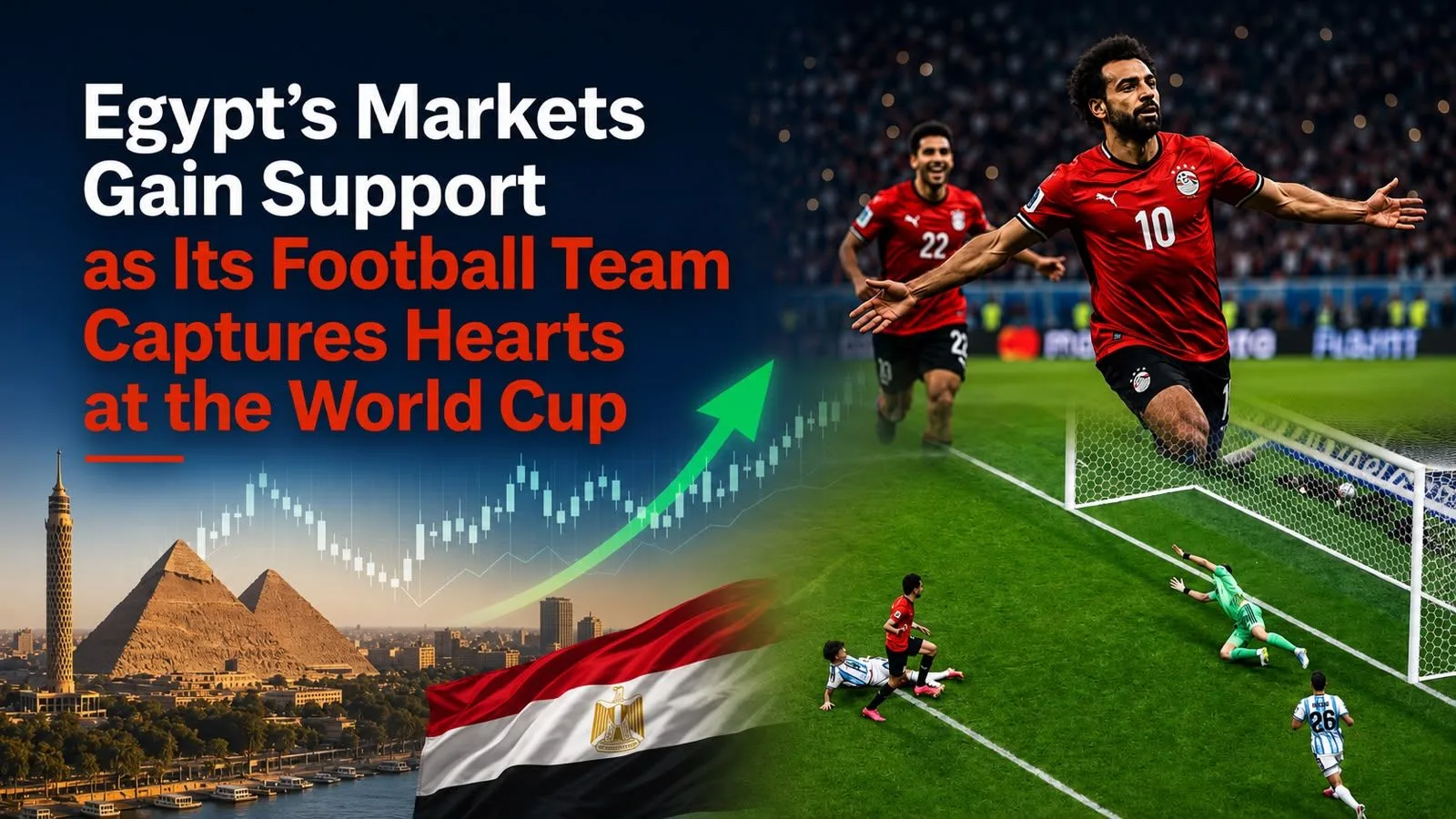
Egypt reached a staff-level agreement with the IMF unlocking $1.64 billion in fresh financing, with the fund raising its FY2026/27 real GDP growth forecast to 4.6%. The milestone reflects steady progress in the country's economic reform program despite inflation and geopolitical headwinds.
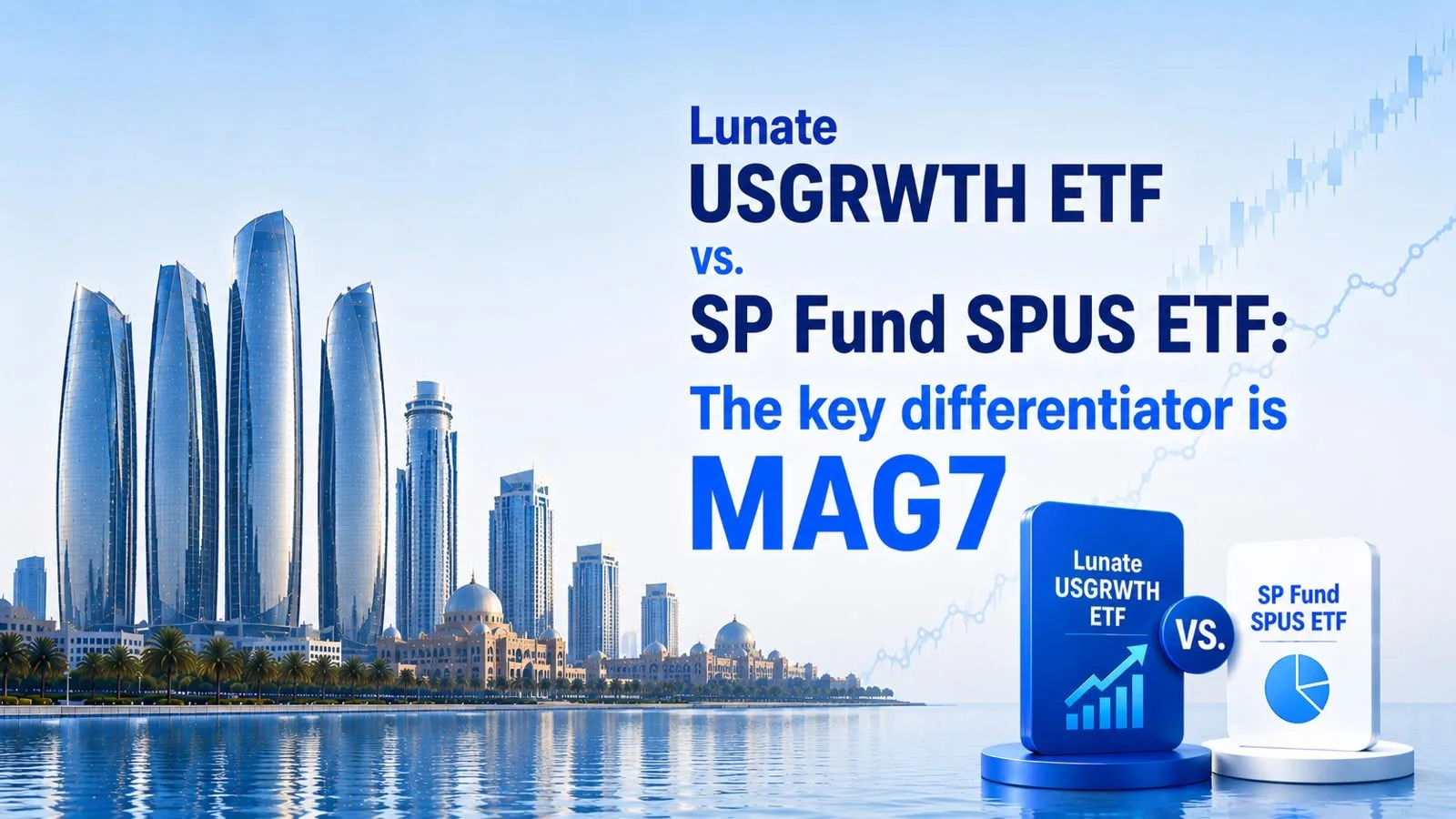
USGRWTH and SPUS offer Shariah-compliant U.S. equity exposure, but differ significantly in MAG7 allocation, trading venue, and investor suitability. USGRWTH provides local ADX access for GCC investors, while SPUS offers greater liquidity and scale on NYSE.
 USGRWTHAE
 SPUSUS
GCC equity markets experienced elevated volatility in Q2 2026 as geopolitical tensions eased and oil prices fell 38.4%. Dubai led regional performance with 9.6% gains, while oil-sensitive markets like Muscat declined 8.1%.
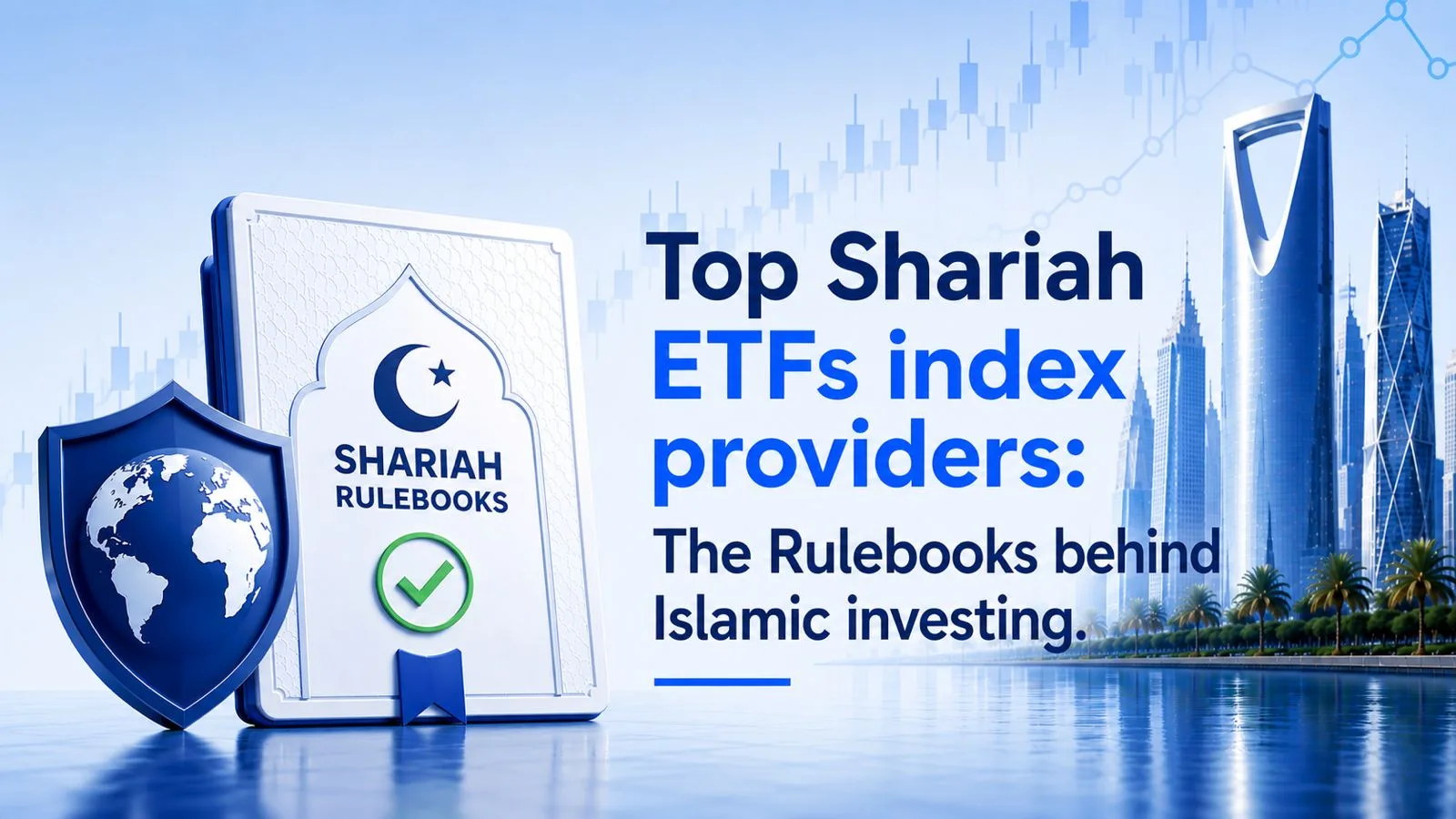
Shariah-compliant ETFs in the GCC rely on specialized index providers and Shariah Supervisory Boards to screen eligible investments. MSCI Islamic indices apply business-activity and financial-ratio screens to ensure compliance with Islamic finance principles.
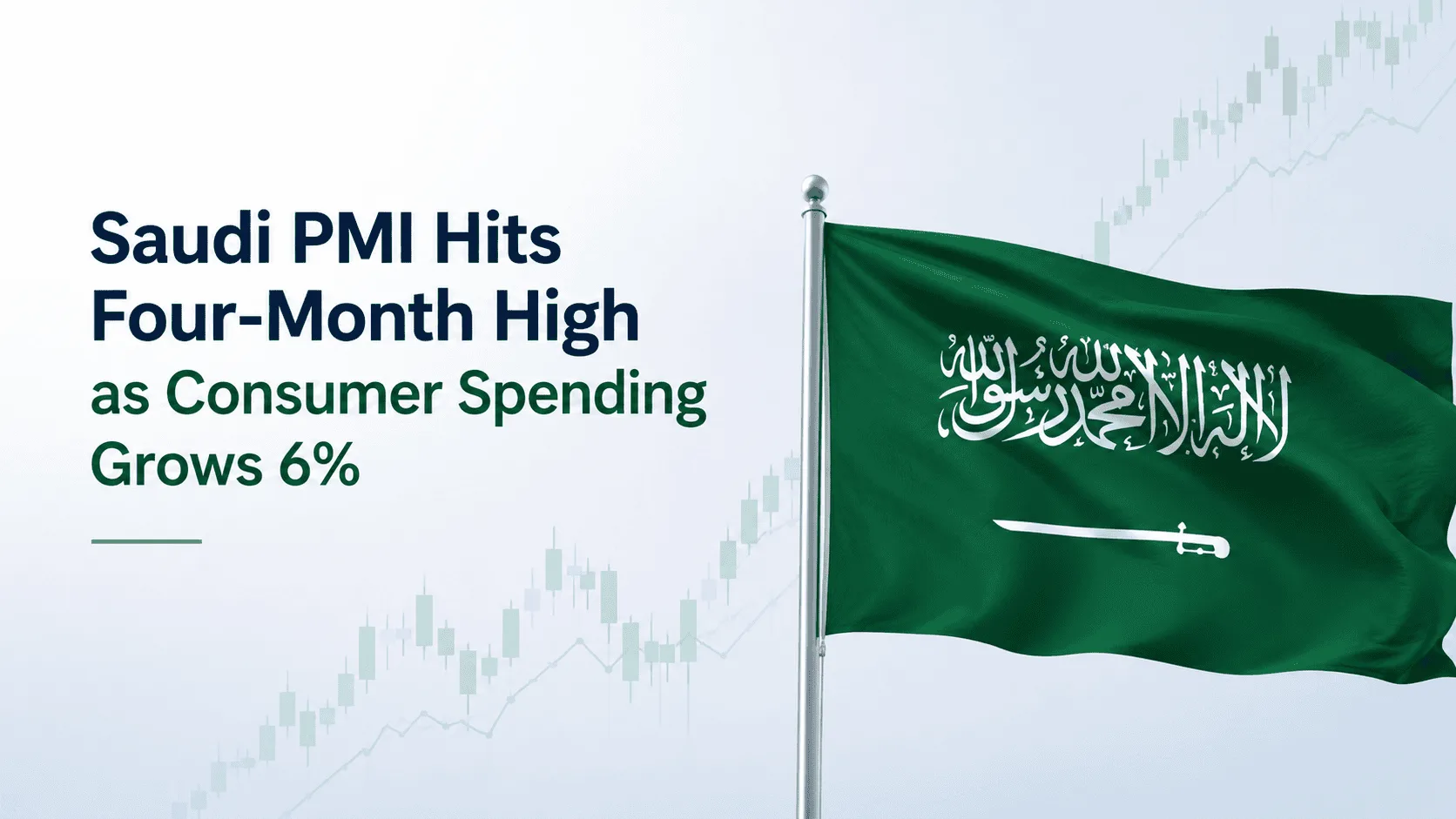
Saudi Arabia's PMI reached 53.3 in June, its strongest reading in four months, driven by resilient domestic demand and improved business confidence. The Kingdom's economic resilience is significantly influencing GCC-focused ETFs as it accounts for the largest share of regional equity benchmarks.
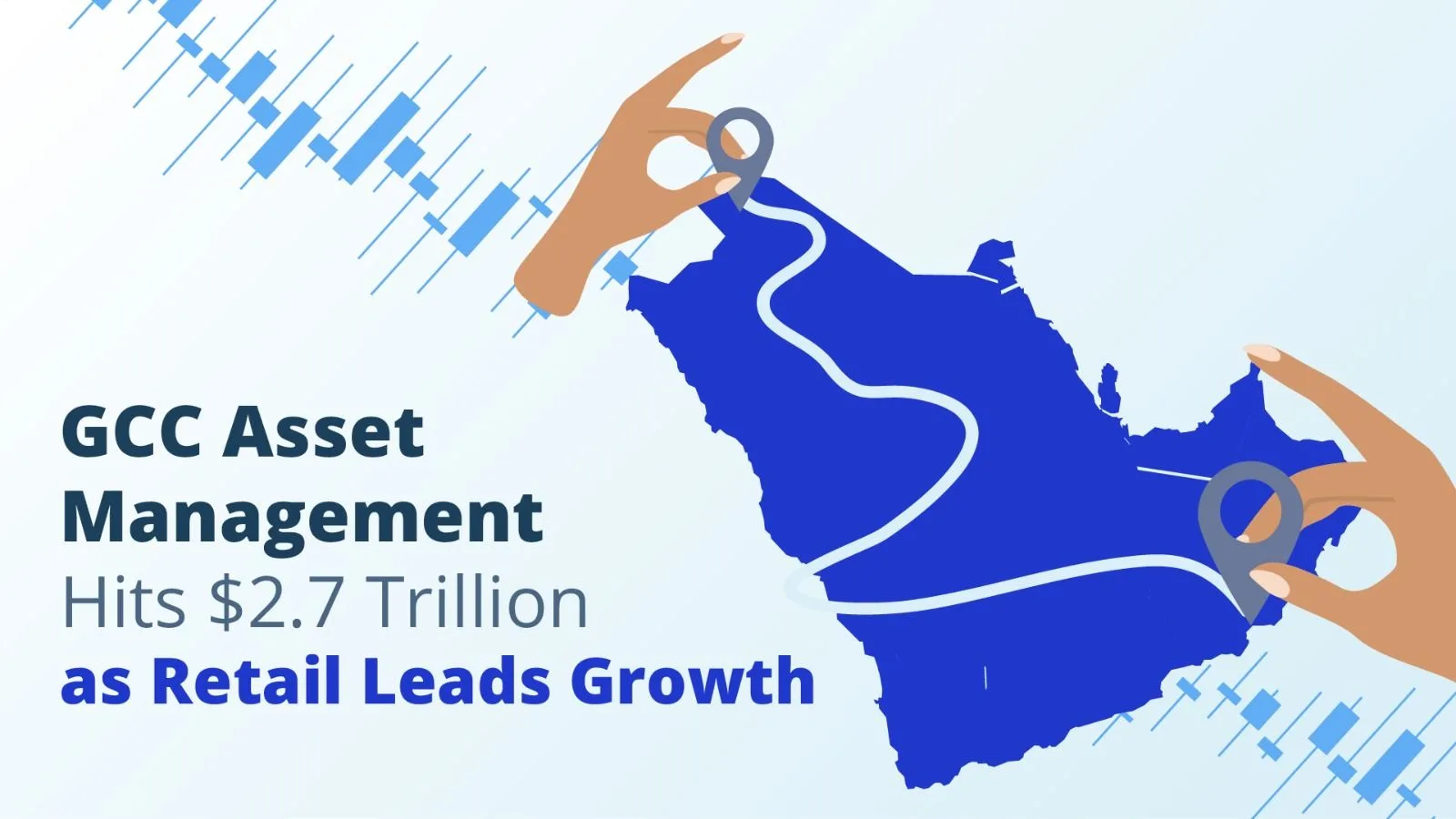
GCC asset management reached $2.7 trillion in 2025 with a 10% annual increase, driven by rapid retail investor growth outpacing institutional capital. Retail assets grew 14% versus 9% institutional, signaling stronger ETF adoption and market liquidity.
Saudi Arabia's Public Investment Fund (PIF) reported a 153% surge in net profit to SAR 65.2B in 2025, with total assets topping SAR 4.5 trillion. The growth was driven by stronger operating revenue, increased returns from associates and joint ventures, and reduced administrative expenses.