
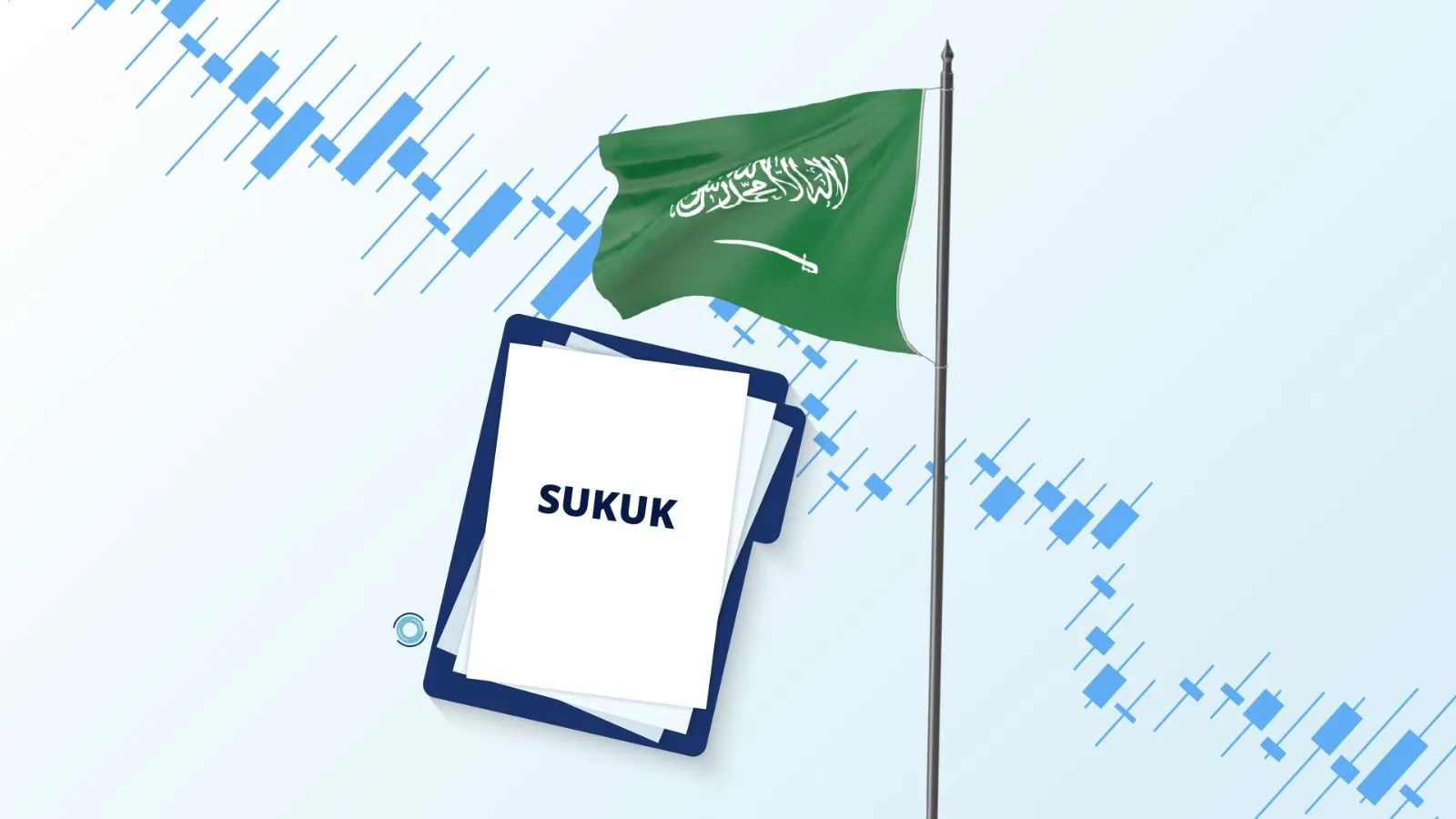
Sukuk are not a single type of Islamic investment. They can be structured around leasing, sales, partnerships, agency arrangements, and project financing. Saudi Arabia’s latest $3.25 billion international Sukuk provides a timely example of one of the most established structures: Ijarah.
The Kingdom attracted approximately $16.5 billion in investor orders, highlighting strong demand for its latest offering while providing a useful case study of how different Sukuk structures work.
What Is Sukuk?
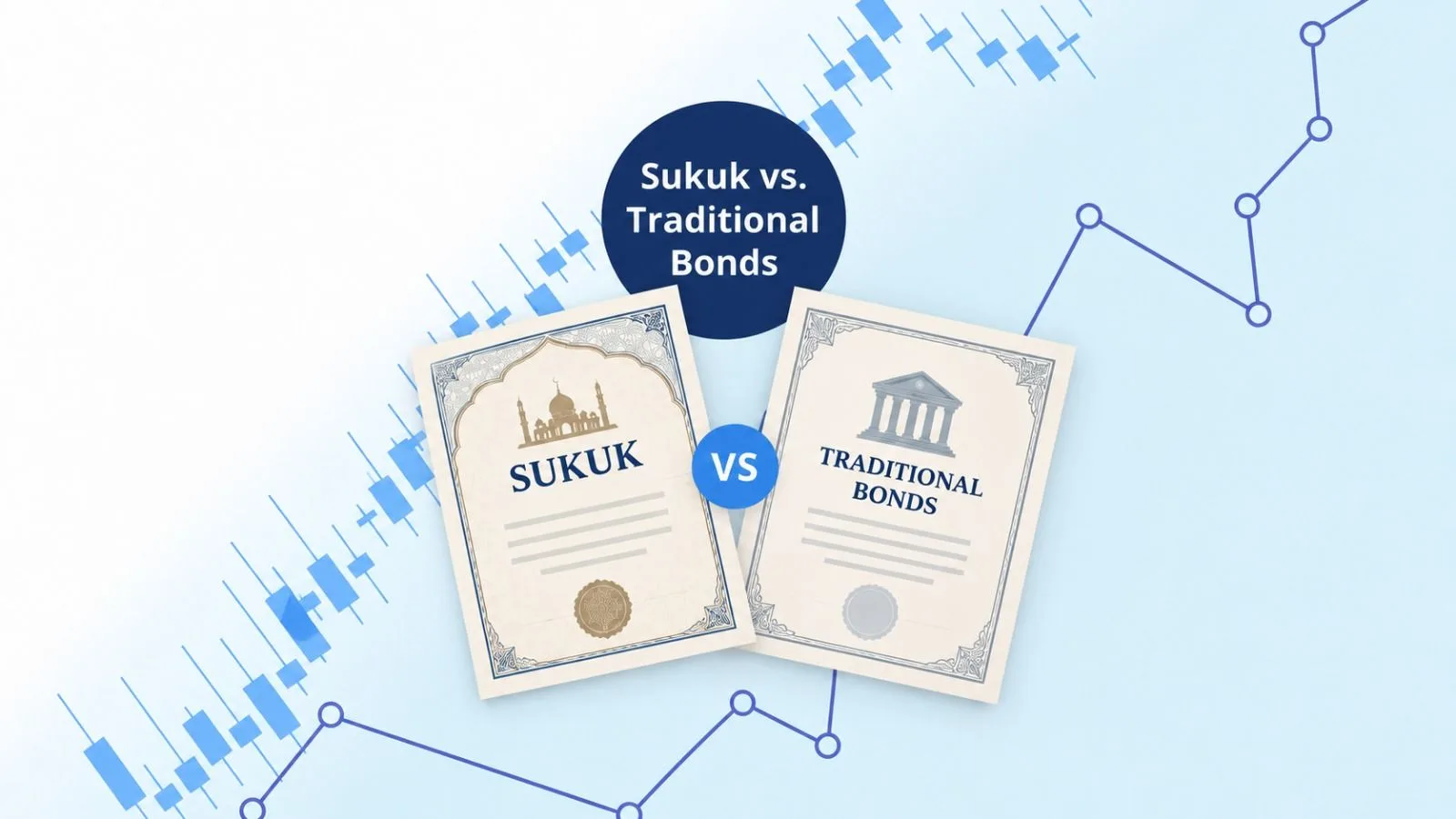
Sukuk (plural of Sakk) are Islamic financial certificates, commonly referred to as Islamic bonds. Unlike conventional bonds, which represent a debt obligation generating interest (Riba), Sukuk grant investors fractional, undivided ownership in an underlying tangible asset, project, or business venture. Profits earned by investors are derived directly from the performance or revenues generated by these underlying assets.
A Five-Times-Covered Dollar Deal
Saudi Arabia raised $3.25 billion through a two-tranche international sukuk on September 1, with investor orders reaching about $16.5 billion, roughly five times the amount sold. The National Debt Management Center said KSA Ijarah Sukuk Limited issued $1.25 billion of five-year certificates due in 2031 and $2 billion of 10-year certificates due in 2036.
The transaction is Saudi Arabia’s second international issuance using an Ijarah structure. Its first, completed in September 2025, raised $5.5 billion against an order book of about $19 billion.
The choice of Ijarah is particularly relevant because Sukuk can be structured using several different Sharia-compliant contracts, each with different underlying assets, cash-flow mechanisms and risk characteristics.
Pricing Tightens by 30 Basis Points
Initial price thoughts were around 100 basis points over comparable U.S. Treasuries for the five-year tranche and 110 basis points for the 10-year, according to IFR. Final pricing came at Treasuries plus 70 and 80 basis points, respectively, meaning both tranches tightened by 30 basis points during bookbuilding. The five-year certificates carry a 5.257% fixed coupon, while the 10-year tranche pays 5.598%, with both reoffered at par.
That tightening is an important part of the story. Investors were willing to accept a smaller spread over U.S. government debt as the order book grew, even as global sovereign bond markets were dealing with rising yields and renewed inflation concerns.
What Is an Ijarah Sukuk?
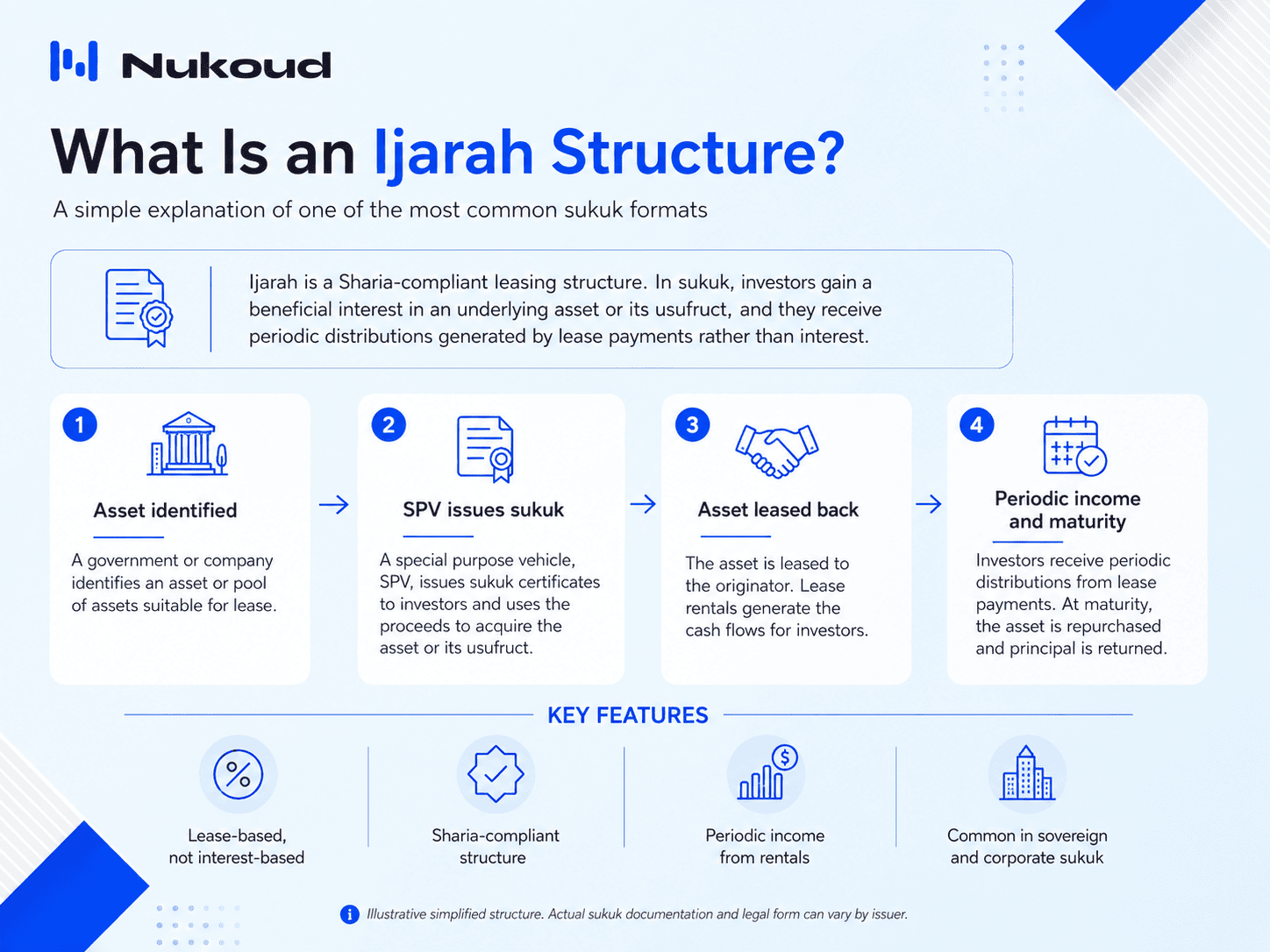
Ijarah is a lease-based Islamic finance structure. An asset, or the right to use an asset, is transferred to a special purpose vehicle and leased to the originator. Sukuk holders receive distributions linked to the lease rentals. Payments to sukuk holders are generated from lease rentals rather than conventional interest. AAOIFI identifies Ijarah as one of the established contracts used across Islamic finance and sukuk markets.
What Are the Main Types of Sukuk Structures?
Sukuk can be structured using different Sharia-compliant contracts. Each structure has different mechanisms for generating investor returns, underlying asset requirements, risk allocation and secondary-market liquidity.
Lease-based
- Sukuk al-Ijarah: Based on a lease agreement in which an asset, or the right to use an asset, is transferred through the Sukuk structure and leased to the originator. Investors receive distributions linked to the lease rentals.
Partnership-based
- Sukuk al-Musharakah: A partnership structure in which investors and the issuer contribute capital to an underlying venture or project, with profits shared according to the agreed arrangement and losses generally borne in proportion to capital contributions.
- Sukuk al-Mudarabah: A profit-sharing structure in which investors provide capital while another party manages the underlying business or investment activity. Profits are shared according to an agreed ratio.
Sale-based
- Sukuk al-Murabaha: A cost-plus sale arrangement in which an asset is purchased and resold to a buyer at a disclosed markup. The resulting payment obligations form part of the cash-flow structure supporting distributions to certificate holders.
- Sukuk al-Istisna: A structure commonly used to finance manufacturing, construction, and development projects, based on an agreement to construct or manufacture an asset according to specified requirements.
- Sukuk al-Salam: Investors make advance payment for goods to be delivered at a future date, a structure frequently used in agricultural or commodity financing.
Agency-based
- Sukuk al-Wakalah: An investment agent, or Wakeel, is appointed to manage or invest the proceeds in a pool of Sharia-compliant assets and activities on behalf of certificate holders.
The Islamic Financial Services Board found that Ijarah and Wakalah Sukuk had narrower average price spreads than Murabaha Sukuk in its analysis of 2024 issuance, noting that differences in contractual structures can affect spreads and liquidity.
Why Did Saudi Arabia Choose Ijarah?
Saudi Arabia's latest transaction is its second international Sukuk issuance using an Ijarah structure, following its first international Ijarah Sukuk in September 2025.
The structure provides the Kingdom with an established Sharia-compliant framework for accessing international investors while allowing the transaction to be linked to identifiable assets or rights to use assets.
The latest deal also demonstrates the depth of demand for Saudi sovereign Sukuk. Investors submitted approximately $16.5 billion of orders for $3.25 billion of certificates, allowing the Kingdom to tighten pricing during bookbuilding.
However, the choice of Ijarah does not mean it is universally superior to other Sukuk structures. Issuers select structures based on factors including available assets, Sharia requirements, transaction design, investor preferences, funding objectives, and market conditions.
Saudi Sukuk ETFs Give Investors a Local-Market Route
For investors looking for exposure to Saudi government Sukuk beyond the international dollar issuance, Tadawul also lists two dedicated Saudi government Sukuk exchange-traded funds. The Albilad Saudi Sovereign Sukuk ETF, ticker 9403, tracks Saudi-riyal sovereign sukuk and had SAR56.6 million in assets under management as of August 31, 2026.
The Alinma Saudi Government Sukuk ETF, ticker 9404, tracks the iBoxx Tadawul SAR Government Sukuk 0-5 Index. Its assets under management stood at about SAR420.9 million as of August 31.
Both ETFs focus on domestic Saudi-riyal government sukuk rather than the new dollar-denominated international issue. For GCC investors, that distinction separates local-currency sukuk exposure available directly on Tadawul from Saudi Arabia’s international dollar sukuk curve.
The Bottom Line
Sukuk are not a single financial product. Ijarah, Murabaha, Mudaraba, Musharaka, Wakalah, Istisna and Salam use different underlying contracts and therefore have different structures, cash-flow mechanics and investment characteristics.
Saudi Arabia’s latest $3.25 billion international offering provides a real-world example of Ijarah Sukuk, attracting approximately $16.5 billion in orders and demonstrating strong investor demand.
For investors, understanding the underlying Sukuk structure is therefore essential to understanding how the investment generates returns and how it differs from other forms of Islamic finance.