

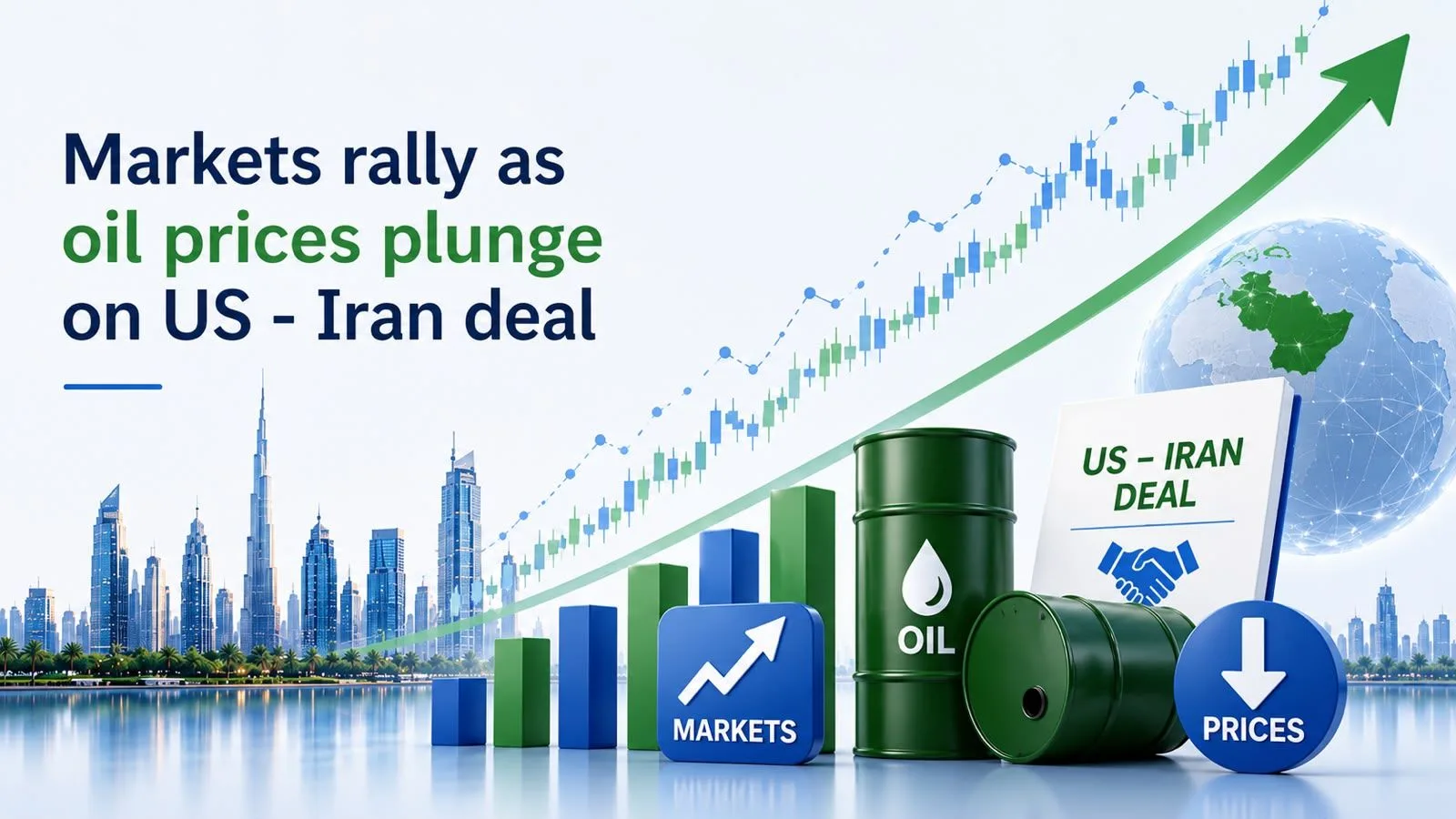
Markets opened the week in clear risk-on mode after the United States and Iran reached a preliminary framework to halt hostilities and reopen the Strait of Hormuz, removing one of the biggest geopolitical tail risks hanging over global assets.
Reuters described the agreement as a preliminary framework or memorandum of understanding, with the official signing expected later this week in Switzerland. The deal reportedly includes ending hostilities and reopening the Strait of Hormuz, while leaving the more difficult issues, including Iran’s nuclear program and sanctions relief, for further talks during a 60-day ceasefire period.
Why Hormuz Matters for Markets
The Strait of Hormuz is one of the most important energy chokepoints in the world, carrying roughly a fifth of global oil and LNG flows. When Hormuz is threatened, oil prices rise, inflation expectations move higher, airline and transport stocks come under pressure, and central banks have less room to cut rates.That is why the market reaction was so broad.
The initial reaction was immediate. Early Monday trading showed Dow futures up 1.0%, S&P 500 futures up 1.27%, and Nasdaq 100 futures up 2.1%, while crude oil futures fell more than 4% to their lowest levels since March.
Crude prices fell sharply as traders priced in a lower probability of sustained supply disruption. Reuters reported Brent and WTI falling to three-month lows after the agreement, with oil markets removing part of the geopolitical risk premium built during the conflict.
For equities, lower oil risk works like a relief valve. It reduces pressure on inflation, improves consumer and corporate cost expectations, and supports sectors exposed to fuel costs and global trade.
Pre-Market ETF Read-Through
The ETF reaction shows how investors are positioning around the deal.
Broad equity exposure moved higher, with SPY up around 0.57%, QQQ gaining roughly 0.59%, DIA rising 0.73%, and IWM advancing 0.92%. The move in IWM is particularly important because small caps are more sensitive to financing conditions, domestic growth expectations, and risk appetite.
Oil-linked exposure moved the other way. USO, which tracks crude oil futures, was down around 2.62% as the Hormuz risk premium came out of the market. Airlines were one of the clearest beneficiaries, with JETS up around 1.95%, reflecting expectations that lower fuel prices could improve margins for carriers.
Energy equities were more mixed. XLE was still higher by roughly 0.77%, suggesting investors were balancing lower oil prices against broader risk-on sentiment and improved economic confidence.
Gold also remained slightly positive through GLD, showing that investors are not fully abandoning hedges while the agreement remains preliminary.
Who Benefits and Who Gets Hit?
The winners from this market setup are: broad equity ETFs, airlines, cruise lines, transport stocks, consumer discretionary names, and energy-sensitive sectors. A lower oil price reduces input-cost pressure and improves the inflation outlook.
The losers are also clear: oil futures, oil-risk premium trades, and potentially upstream energy producers if crude continues falling.
Gold sits in the middle. Lower geopolitical risk is normally negative for safe-haven demand, but lower yields, dollar softness, and doubts over implementation can keep gold supported.
The Market Is Buying Relief, Not Resolution
The key takeaway is that markets are not treating the U.S.–Iran agreement as a complete solution. They are treating it as a reduction in tail risk.
If the deal is signed and Hormuz reopens smoothly, lower oil prices could support equities, weaken inflation pressure, and extend the rally in risk assets. But if negotiations stall, shipping remains constrained, or nuclear talks break down, the oil-risk premium could return quickly.