


Oil
Articles tagged with Oil on Nukoud.
Latest Oil articles
Aramco’s 44% Profit Jump Puts Saudi ETFs in Focus
Saudi Aramco posted a 44% profit increase to $32.7 billion in Q2 2026, driven by higher crude prices averaging $108.10/barrel. Strong cash generation and low gearing support investor returns in Saudi-focused ETFs.
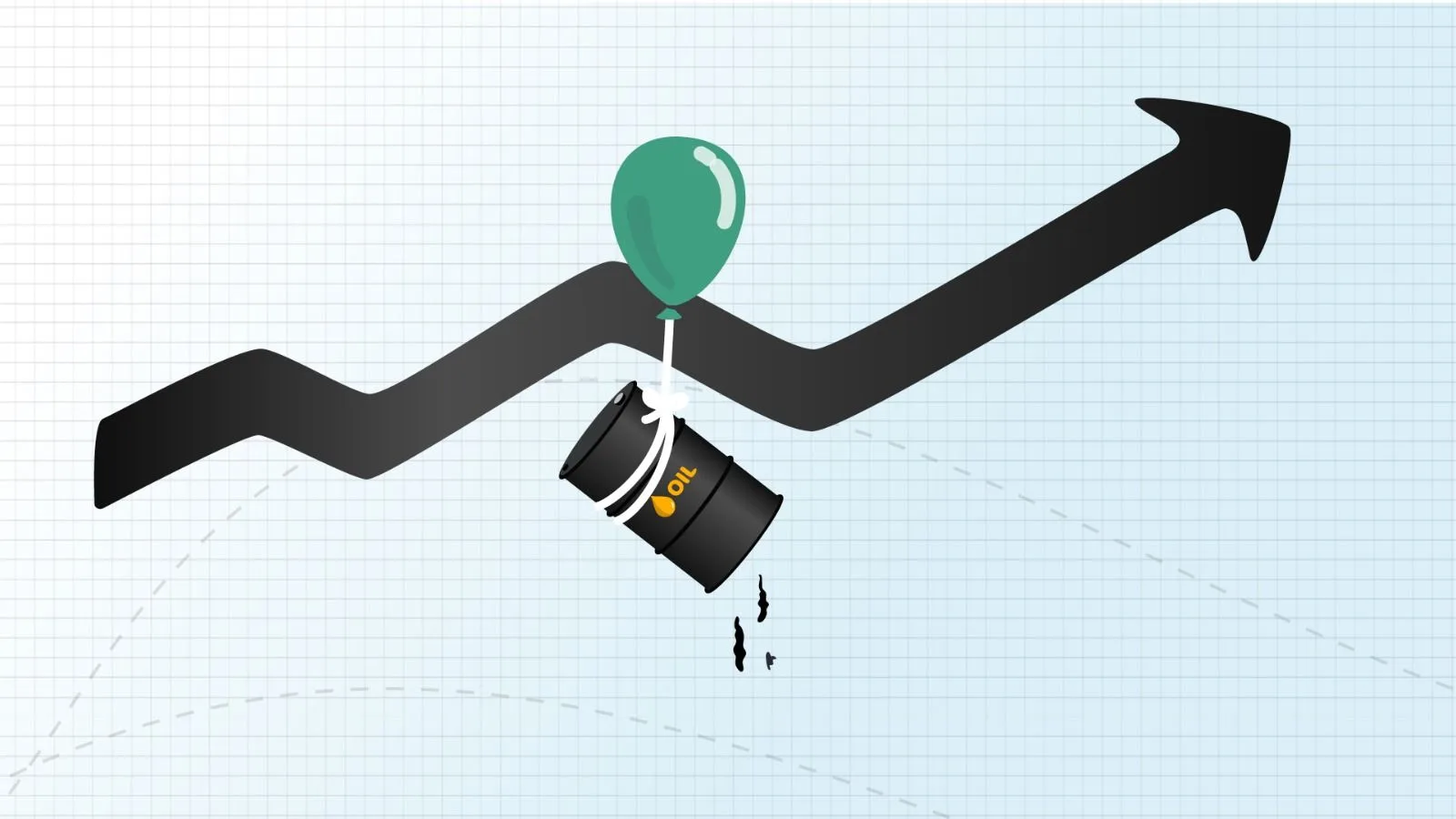
Oil Prices Slide More Than 5% after Trump Delays Iran Strike. Oil ETFs React.
Oil prices dropped more than 5% on August 3, 2026, after President Trump delayed a planned military strike on Iran and signaled renewed diplomatic negotiations. Brent crude fell to $83.32 per barrel while WTI declined to $80, unwinding geopolitical risk premiums built up during July's 25% rally.
Oil Prices Today: What They Mean for Oil ETFs and GCC Investors
Brent crude rallied to $79 per barrel following U.S. strikes and Iranian tensions around the Strait of Hormuz, while OPEC+ continues restoring production. For GCC investors, the market remains caught between geopolitical risks and rising supply fundamentals.
Oman GDP Grows 2.6% as GCC Investors Watch MSX
Oil, Gas and Services Lift Q1 Growth
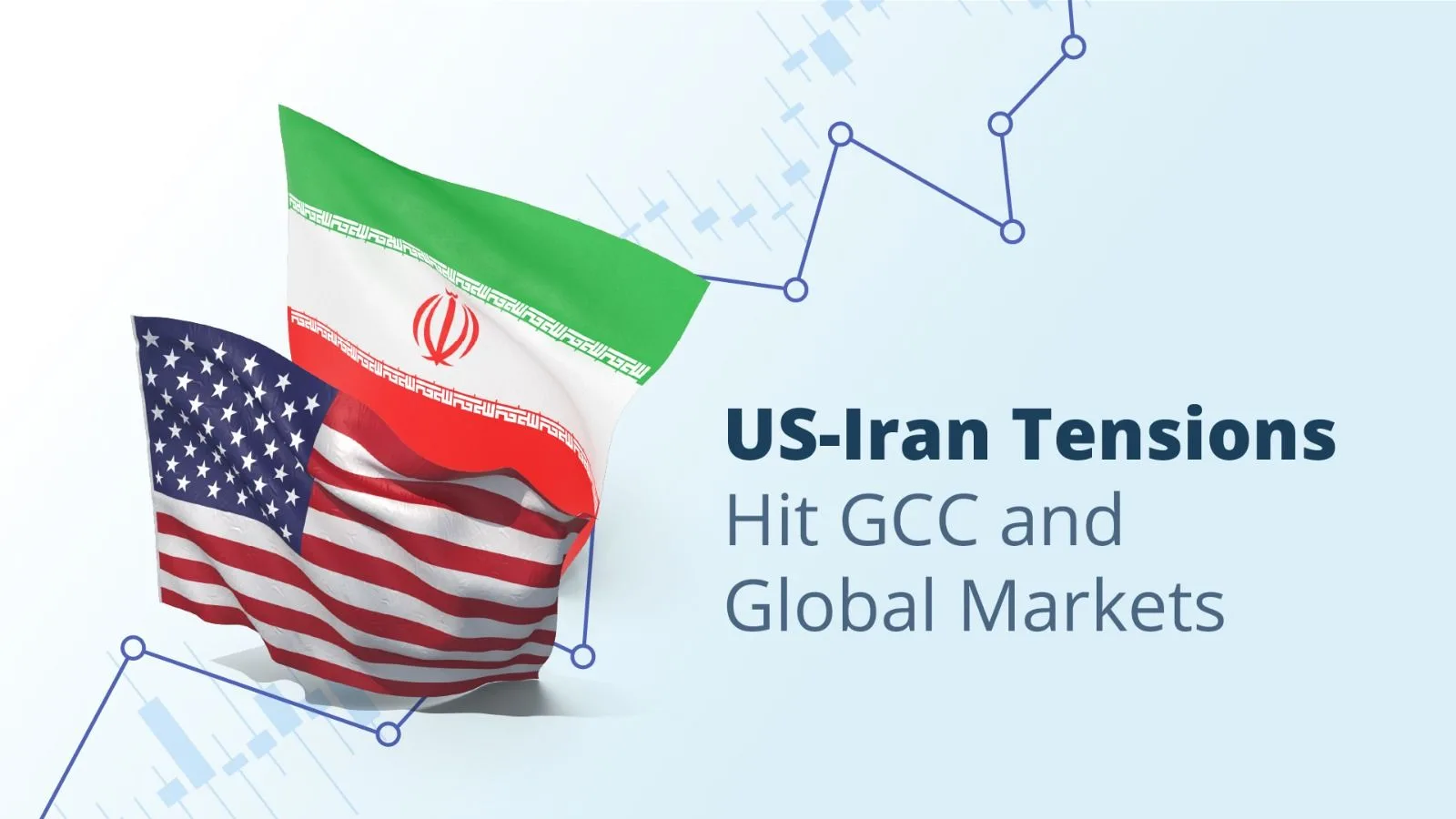
US-Iran Tensions Hit GCC and Global Markets
The trigger is familiar, but the market response is more selective than a panic bid for every haven.
Saudi Aramco Profit Jumps 26% as Oil Shock Offsets Export Disruptions
Saudi Aramco reported a 26% year-on-year profit surge to SAR 126 billion in Q1, driven by soaring oil prices following the Strait of Hormuz crisis that disrupted regional energy markets.
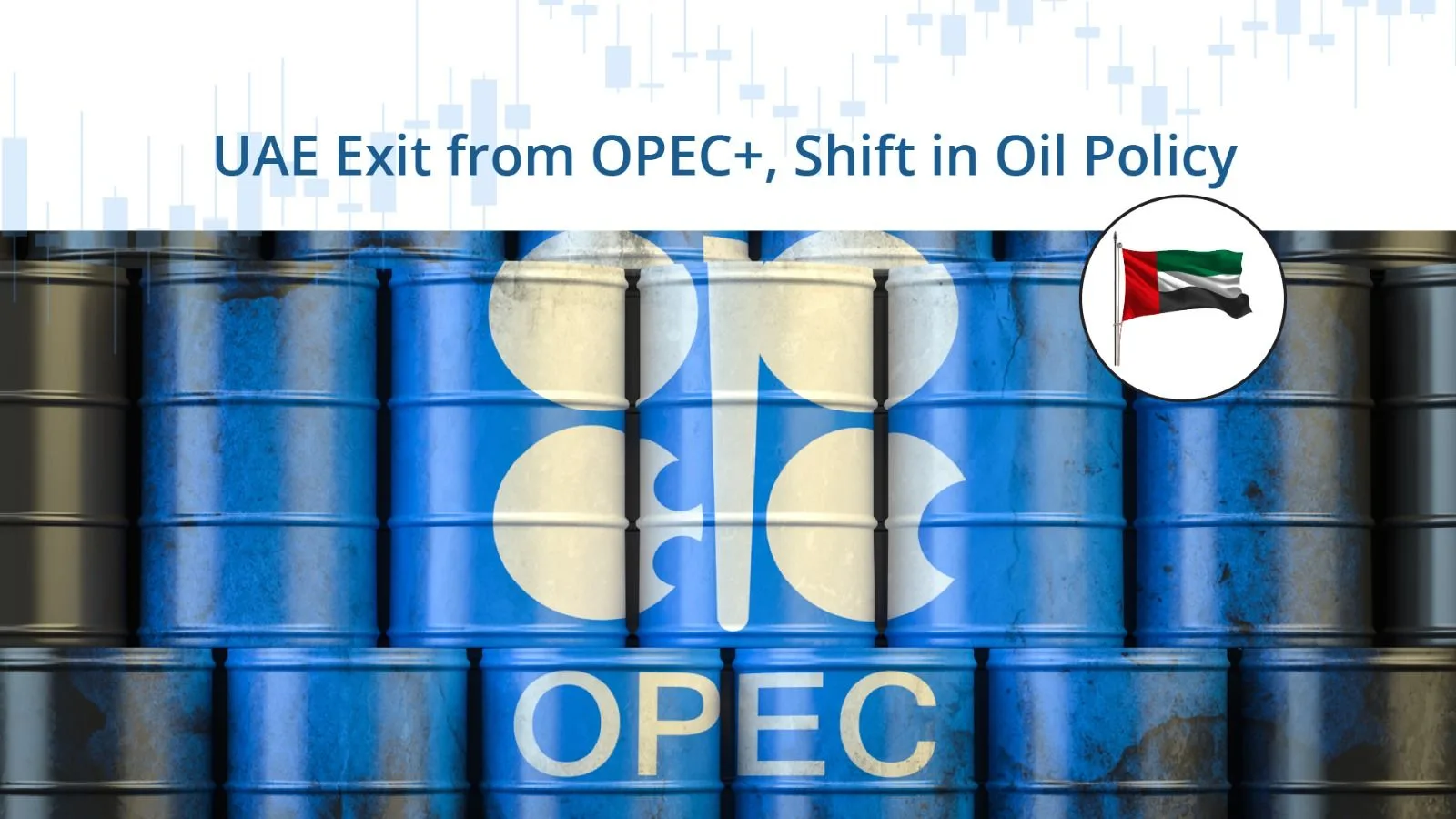
UAE Exit from OPEC+, Shift in Oil Policy
The UAE has announced its exit from OPEC and OPEC+ effective May 1, 2026, signaling a strategic shift toward independent oil production management while maintaining market stability.
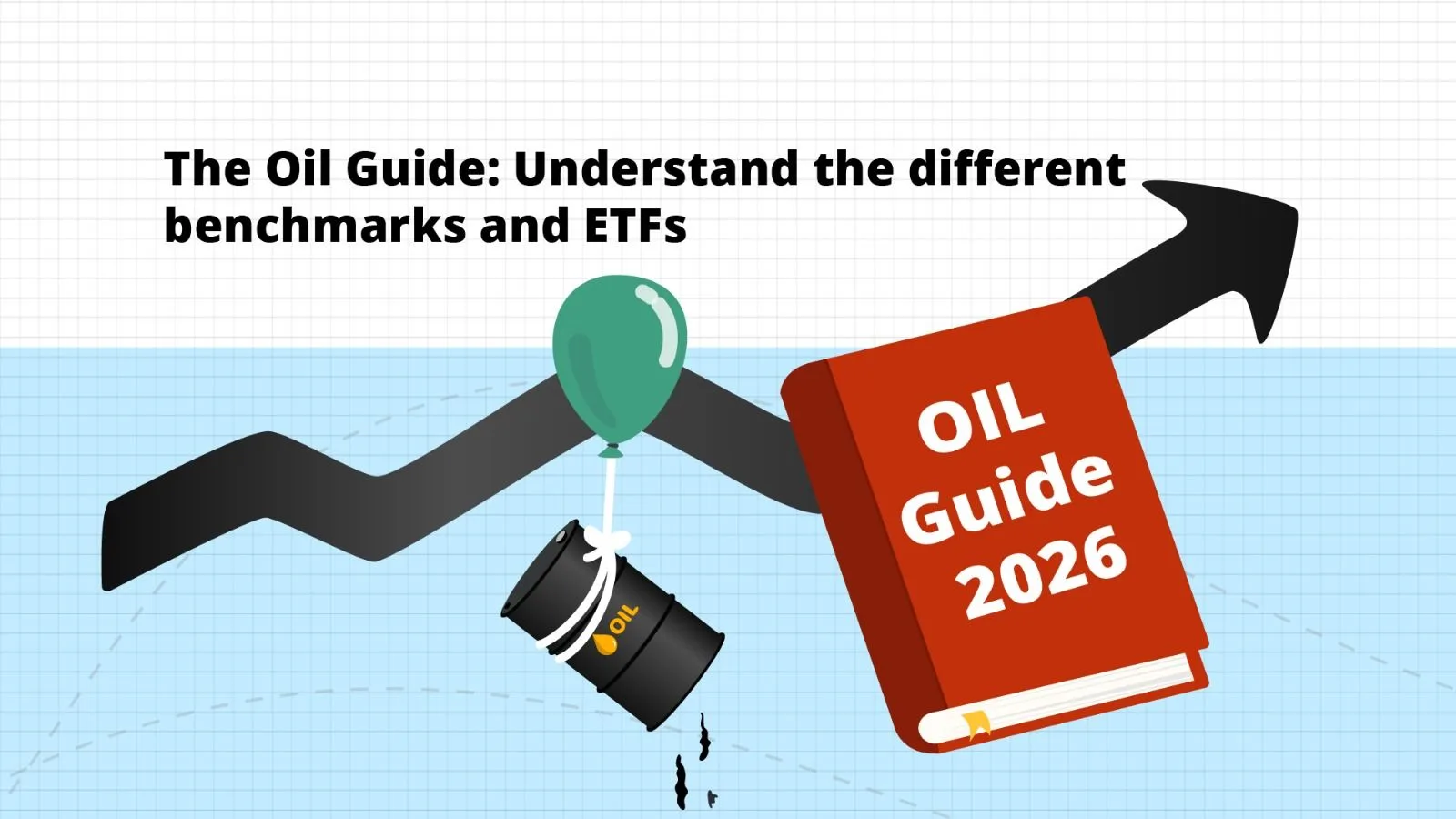
Why Oil has many benchmarks and prices. What do they mean? WTI, Brent and GCC Benchmarks
Understand oil benchmarks and their role in pricing. Discover how WTI, Brent, and regional grades affect the market.
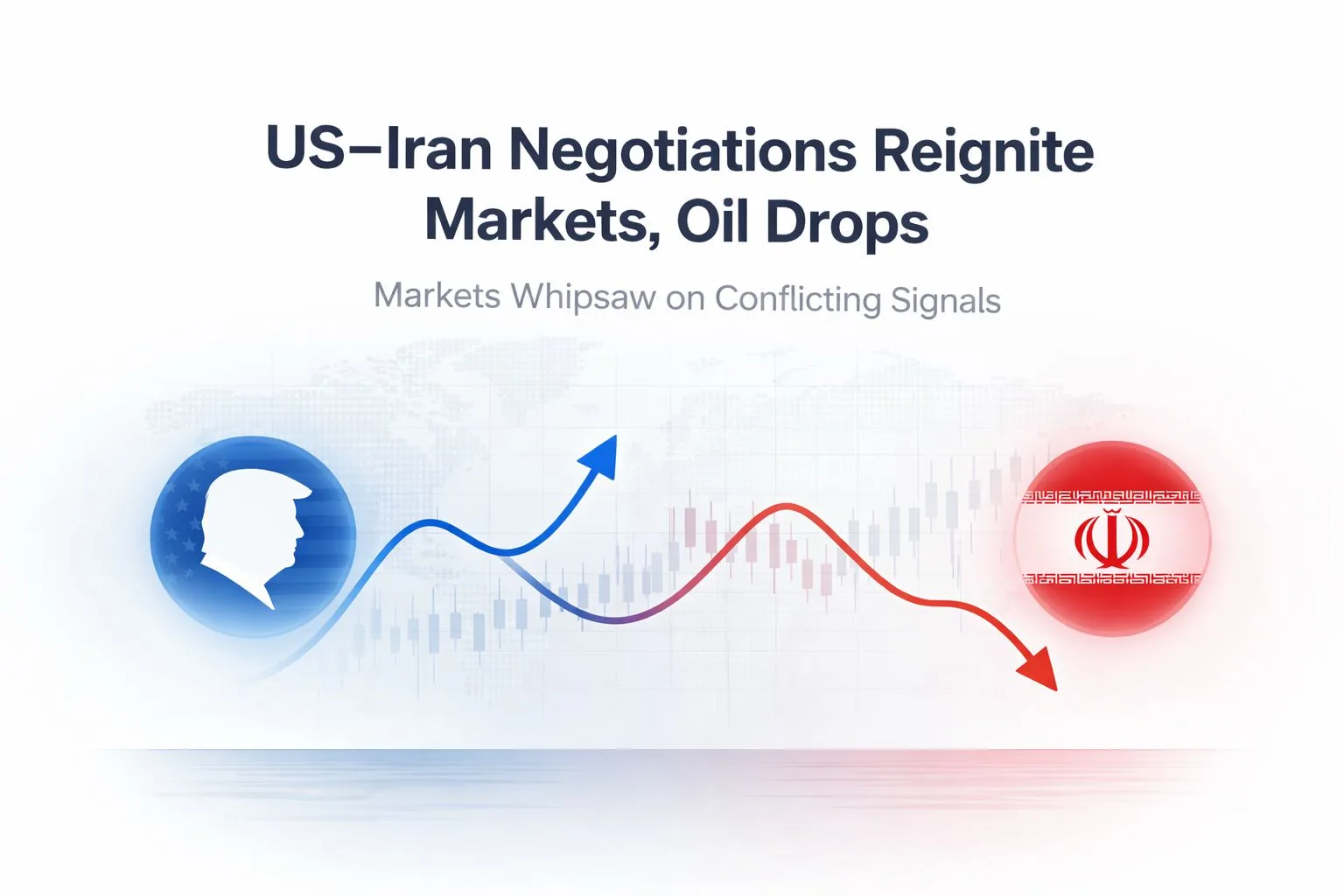
US-Iran negotiations reignite the markets, oil drops
Trump's remarks on Iran lead to a brief market surge, but Tehran's rejection highlights ongoing geopolitical tension.
GCC markets, three weeks into war: oil leads, UAE feels the shock, ETFs map the shift
Markets are being pulled in opposite directions and the GCC is no exception. After three weeks of conflict, regional performance has diverged: UAE equities, including ADX and DFM, have declined, while Saudi Arabia has remained relatively resilient.Oil has been the dominant driver, swinging sharply day to day as markets react to shifting supply and demand.
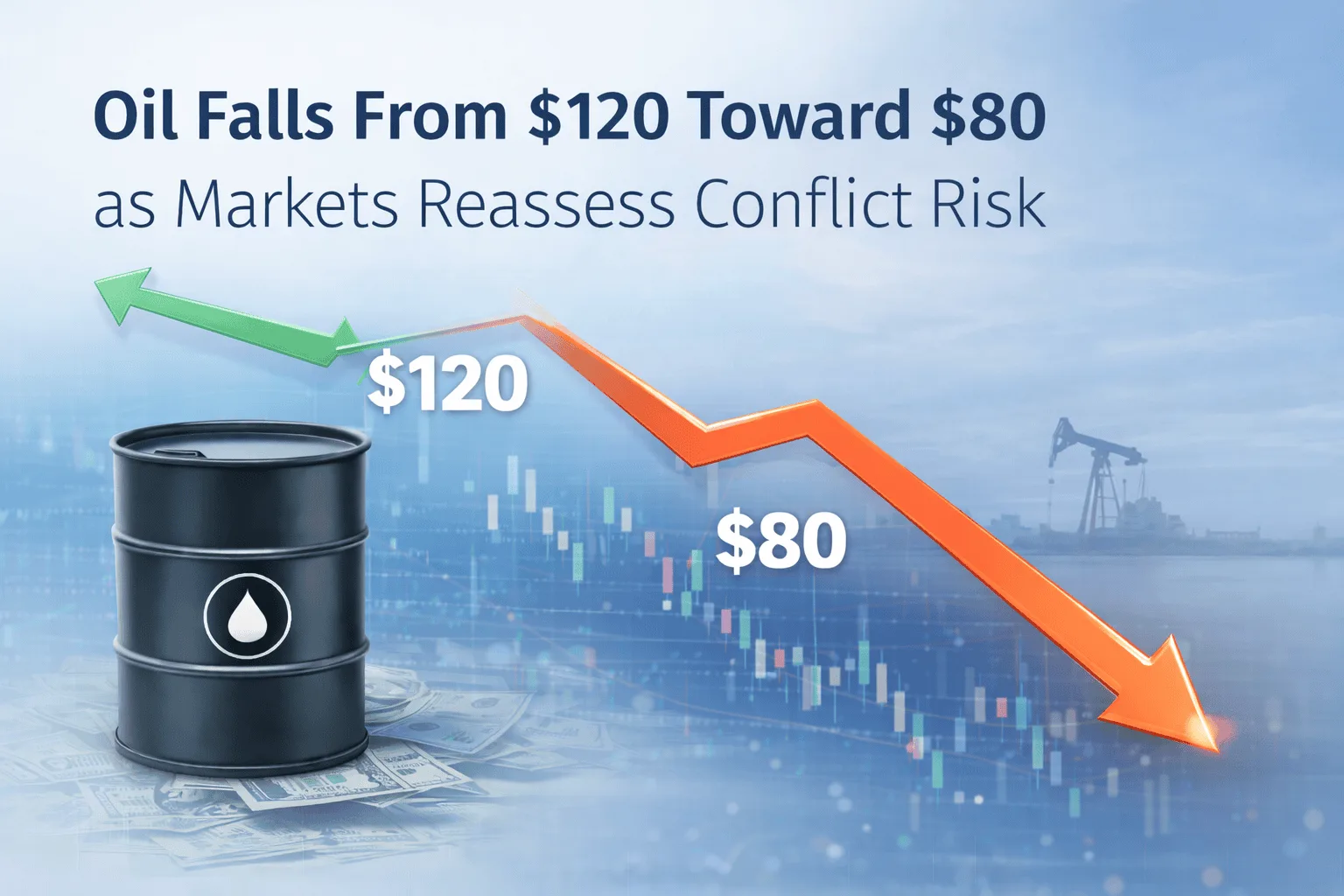
Oil Falls From $120 Toward $80 as Markets Reassess Conflict Risk
Oil prices fell from $120 toward $80 as markets reassessed Middle East conflict risks, highlighting volatility in global energy markets.
GCC Oil Rally as Murban Jumps $10 on Rising Geopolitical Risk
Murban oil surged $10 as rising geopolitical tensions near the Strait of Hormuz sparked a sharp GCC oil rally, pushing Brent higher and raising fears of supply disruptions.